
Life Changes
Healing Through Storytelling: Lessons from The Odyssey
The journey of Odysseus in Homer's 'The Odyssey' offers profound insights into healing...








 A new screening tool called HemaApp uses a smartphone camera to estimate hemoglobin concentrations and screen for anemia.
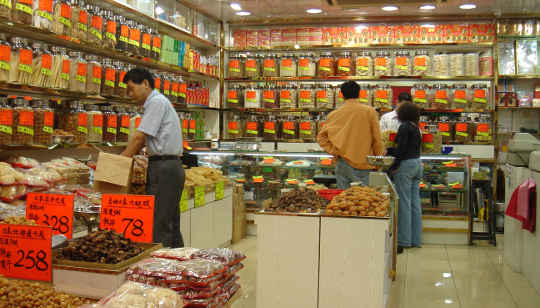 After numerous food scares in China, the Chinese have become disillusioned with the communist regime’s ability to properly regulate the food industry. And the contaminated food does not just stay in China. The U.S. Food and Drug Administration (FDA) regularly refuses shipments from China...
 A new study complicates the “five-second rule,” the widely accepted idea that it’s okay to scoop up fallen food and eat it if you’re quick enough.
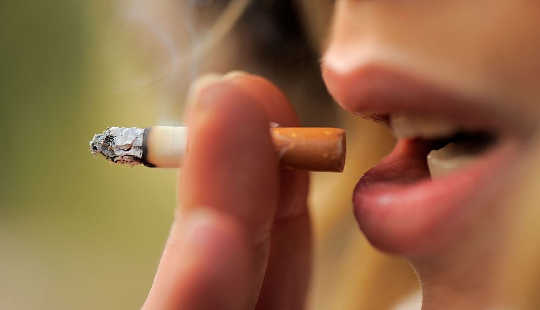 Quitting smoking improves health and lowers odds of developing lung cancer. And even among smokers with a genetic predisposition to smoking heavily and developing lung cancer at a young age, the benefits of quitting are significant.
 Low levels of vitamin D are linked to an increased risk of cognitive decline and impairment in elderly Chinese people.
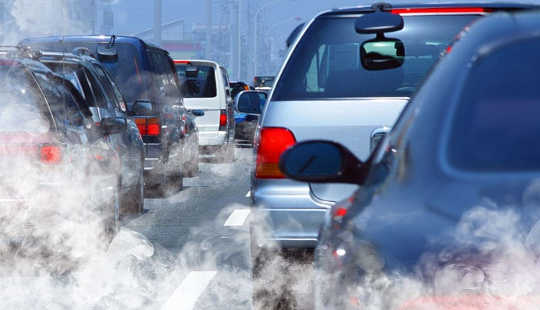 Iron is known to be toxic to brain cells, and tiny magnetic iron particles (magnetite) are thought to be involved in the development of neurological disorders.
 Researchers have found that when elderly people use an electric fan in extreme heat, instead of cooling them down, it actually raises their core body temperature and increases their heart rate.
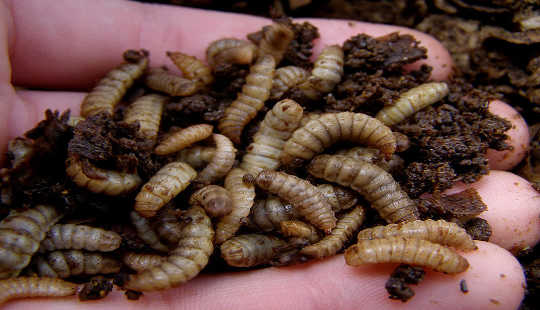 Scientists have predicted that by 2050 there will be 9.6 billion humans living on Earth. With the rise of the middle class, we are expected to increase our consumption of animal products by up to 70% using the same limited resources that we have today.
 British breasts are getting bigger, with an annual survey indicating the average woman’s bra size has increased from a 36C to a 36DD
 “Never put anything smaller than your elbow into your ear” is something we’ve been wisely cautioned against at some stage or another. But more of us are ignoring this advice.
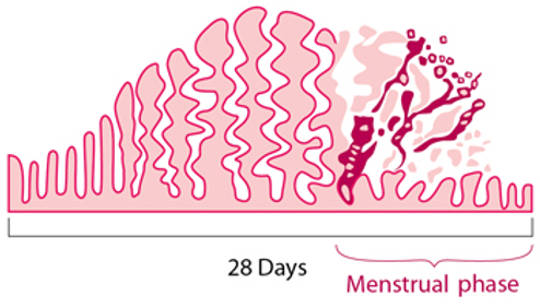 Short menstrual cycle lengths and early or late onset of menstruation are associated with reduced fertility, according to a new study.
Stories of meningococcal outbreaks tell us it’s that season again. But what is meningococcal meningitis, why does it occur in seasons, and why does it strike fear into the hearts of so many?
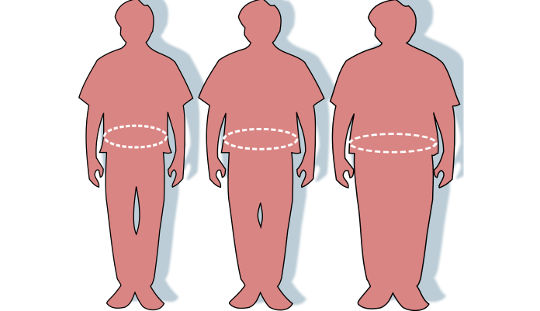 Despite a growing epidemic, many medical providers fail to diagnose obesity in their patients—missing an opportunity to identify an important component of long-term health.
 There has been substantial publicity about the MINDACT trial, which could lead to changes in breast cancer treatment. The study’s results suggest that women with a certain genetic profile would have a good chance of survival and cure regardless of chemotherapy.
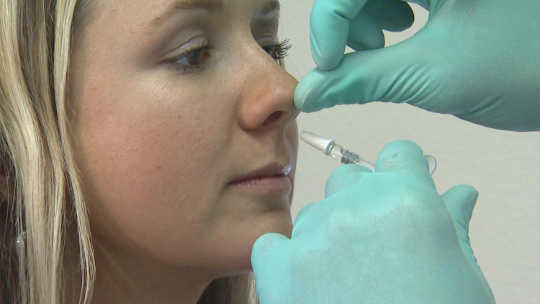 A Phase 3 clinical trial has deemed a nasal spray called Kovanaze safe and effective for avoiding pain at the dentist—including the sting of a numbing injection.
 The updated Toxic Substances Control Act brings new hope for protecting Americans’ health and environment. Here's what it does — and doesn’t — do.
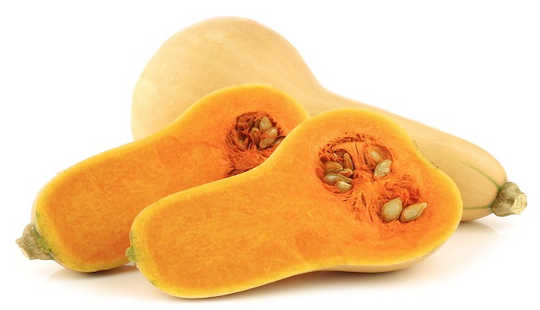
The classification of fruits and vegetables often confuses many, with common terms deviating from botanical definitions. Fruits, typically seed-bearing, attract animals for seed dispersal, while vegetables, lacking a strict definition, encompass various plant parts. This article explores the complexities of these classifications and their nutritional implications.
 A set of biomarkers found in blood samples seem to predict with about 85 percent accuracy whether or not a person will develop Alzheimer’s disease.
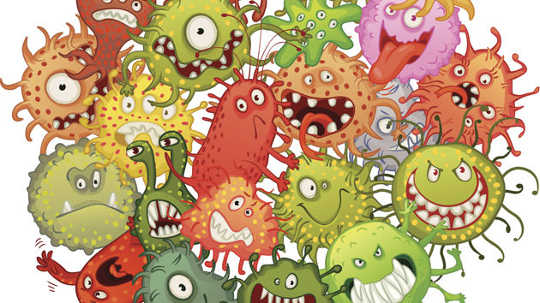 A new study, done by pooling data from most of those studies, throws cold water on the idea that extra pounds may stem from an imbalance of the bacteria inside us.
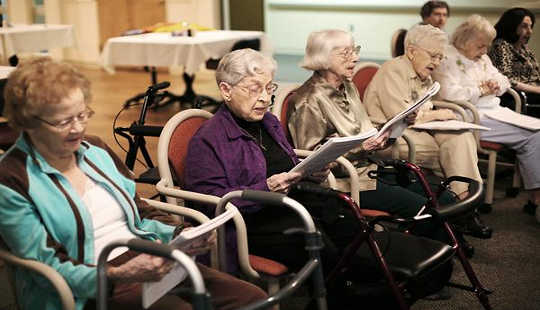 Sexual inequality begins in the womb, but not in the way you might think. In a study of more than 574,000 births in South Australia between 1981 and 2011, we found boys are more likely to be born preterm and the risk is greater for boys the earlier the birth.
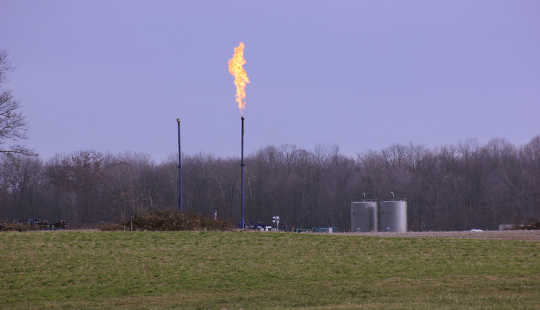 The fracking industry has been an energy success story: Natural gas prices have decreased as fracking has skyrocketed, and natural gas now produces more electricity than coal does, which has resulted in improved air quality.
The journey of Odysseus in Homer's 'The Odyssey' offers profound insights into healing...

Fostering a legacy of joy empowers individuals to inspire authentic self-expression in...

Junk emotions like anxiety, anger, and jealousy can hinder personal well-being and...

Awareness meditation shifts focus from traditional breath techniques to observing...

The exploration of precognitive dreaming reveals a profound interconnectedness within...

Negative moods can linger and affect overall well-being, but identifying their triggers...

A rare celestial formation is quietly reshaping the foundations of everything we know —...

You don't need a week in silence at a mountain retreat to feel spiritually alive again....