
Exploring Iceland's Unique Open Prisons
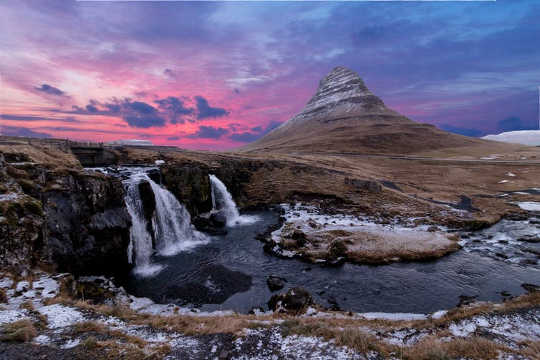
Iceland's open prisons, Kvíabryggja and another, offer a unique perspective on rehabilitation. With minimal security and a focus on communal living, these facilities prioritize...

Iceland's open prisons, Kvíabryggja and another, offer a unique perspective on rehabilitation. With minimal security and a focus on communal living, these facilities prioritize trust and interaction between prisoners and staff, creating an environment that fosters personal growth and emotional connection, despite the serious offenses of some inmates.

Most people have been taught that the fastest path to economic growth runs through the wealthy -- give investors more money, and prosperity will eventually trickle down to everyone else. But decades of evidence and the basic mechanics of how markets actually function tell a very different story. Real economies are driven by customers, not capital holders, and understanding that distinction changes everything about how you see growth, policy, and the future.

Something strange happens to companies after they win. They stop trying to earn your loyalty and start finding ways to make your loyalty irrelevant. The pattern is everywhere once you see it, and once you see it, you cannot unsee it.

Artificial lights disrupt the migratory patterns of billions of birds each year, leading to fatal consequences. New research shows that even ground-level lights can significantly alter bird behavior, increasing flight calls and the risk of collisions. This article explores the mechanisms behind these changes and offers solutions to mitigate their impact.

In an age where trust and faith are increasingly tested, it is vital to recognize the duality of human nature. While the media often highlights violence and negativity, there are also countless acts of kindness and positivity. By embracing our ability to give back and contribute to the greater good, individuals can help restore faith in humanity and promote a loving community.

Across the 2026 Democratic primaries, something the party establishment did not plan for is happening in plain sight. A 29-year-old attorney knocks off a 30-year incumbent in Colorado. A democratic socialist wins New York City's mayoralty. Progressive insurgents topple entrenched moderates from Maine to California. This isn't a wave. It's a reckoning, decades in the making, and it is finally breaking the surface.

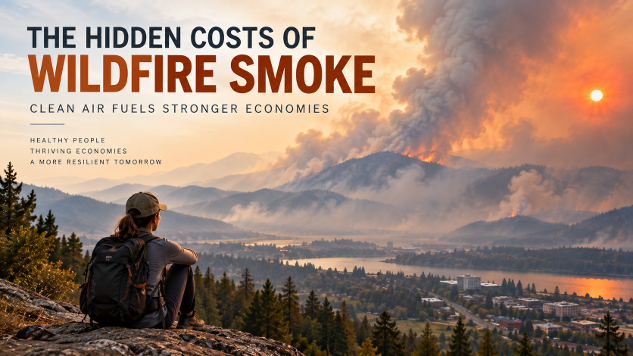
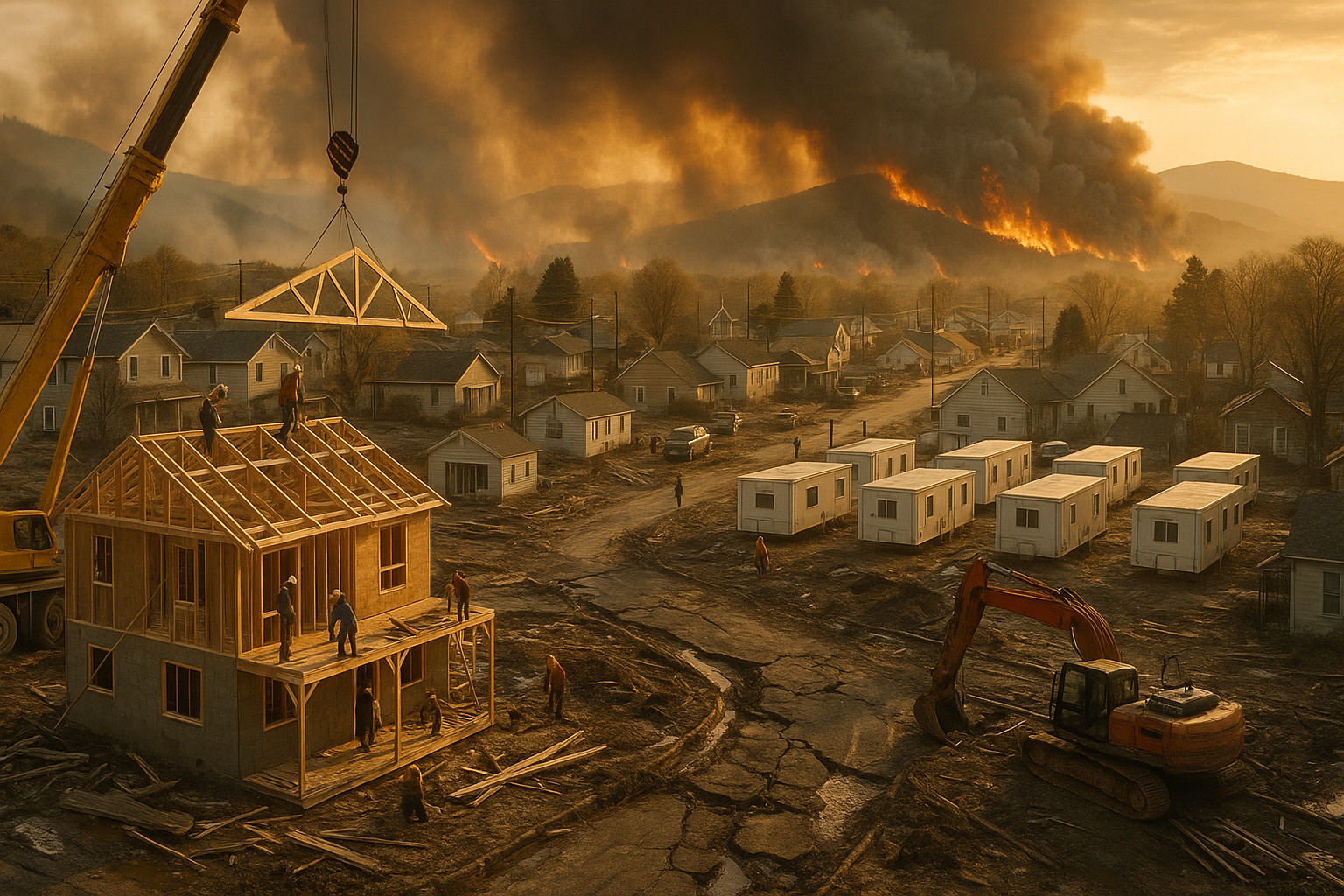
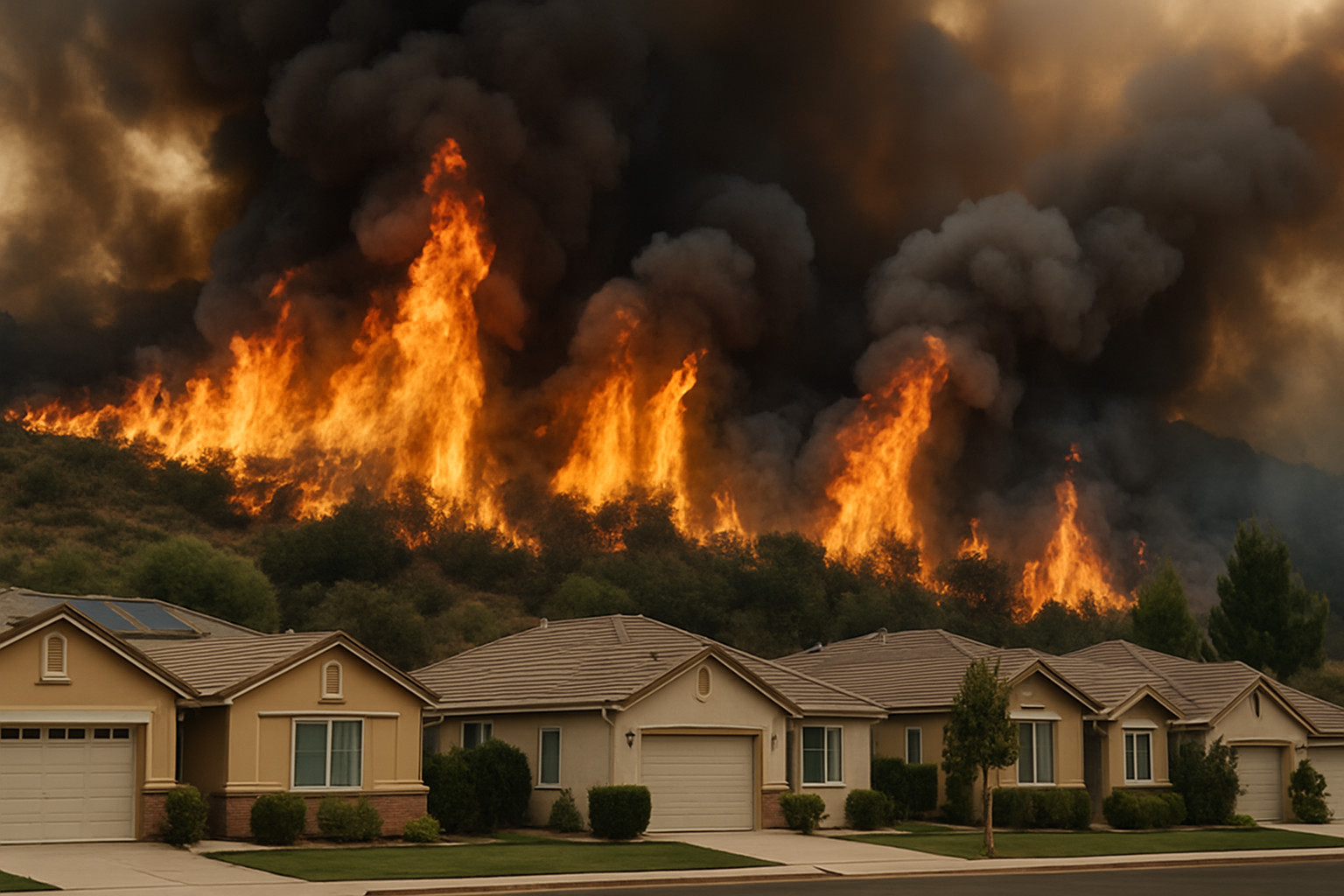
A heat wave does not just make you sweaty and miserable. It turns the landscape into a loaded gun, dries out every blade of grass until it crinkles like paper, and then pulls the trigger itself through lightning strikes and stolen nighttime moisture. Once you understand the full mechanism, you cannot look at a wildfire map the same way again.

A strait 33 kilometers wide at its narrowest point carries roughly 20% of the world's seaborne oil and LNG — and when it closes, the bill doesn't get sent to the generals who ordered the strikes. It gets sent to the family filling up the tank, buying groceries, and wondering why the mortgage payment feels heavier this month. The U.S.-Israeli strikes on Iran that began February 28, 2026, have set in motion an economic chain reaction that is still accelerating, and understanding its mechanics is the only way to see where it ends.

Europe is baking under another record-breaking heat wave, and this one arrived right on the heels of temperatures in May that had no business existing. Meanwhile, Asia spent last year drowning and sweltering in equal measure. If this feels like a pattern, that is because it is one, and someone left the stove on.

We live in a world where throwing something away feels like the most natural act imaginable. But according to anthropologist Sarah Newman, that instinct is not ancient wisdom — it is a modern invention, and a dangerously costly one. Her research across ancient Maya cities and 19th-century households reveals that the story of waste is really a story about what we choose to value.

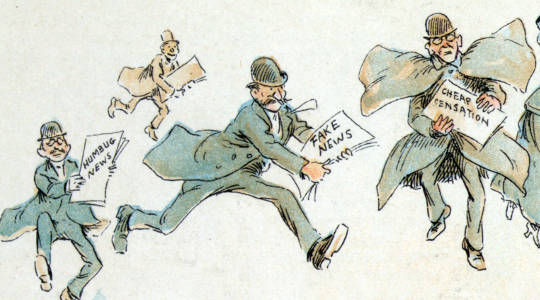
The rise of digital communication has made it increasingly difficult to distinguish between misinformation, disinformation, and hoaxes. This article explores their definitions, historical context, and the impact of disinformation campaigns, particularly in cases like the University of Missouri protests, highlighting the challenges of navigating today's complex information landscape.

Community service plays a crucial role in enhancing personal fulfillment while driving significant societal change. By participating in nonprofit work, individuals like Greg Kemp and Judy Asman exemplify how collective efforts can create lasting impacts, from eradicating diseases to building homes. This article explores the transformative power of volunteering and its potential to shape communities and the world.

As the super full moon approaches, coastal cities face heightened tidal flooding risks. The lunar nodal cycle currently lessens the moon's influence on tides, creating a false sense of security amid rising sea levels. Awareness of this cycle is crucial for communities to prepare for future flooding challenges.

If you have ever wondered why obesity rates are highest in the places with the least money, the answer is not laziness or bad choices. It is a system working exactly as designed, shifting the cost of inequality onto the bodies of the people who can least afford it.

A new study reveals that human-induced climate change began much earlier than previously thought, with warming starting as early as the 1830s in some regions. This discovery challenges existing timelines and highlights the critical need to understand how human activities have altered the climate across different continents and oceans.

You have probably never stood in the cereal aisle and thought 'am I truly free right now?' But the question of whether your choices are genuinely yours runs deeper than philosophy classrooms and academic journals. It turns out that most ordinary people, when asked directly, believe they are free and responsible for what they do, even in a universe where causes and effects chain together like dominoes.

Inflation is the word everyone uses and almost no one fully understands. Your grocery bill goes up, the news blames the Federal Reserve, a politician blames the other party, and an economist writes a paper that takes three years to be proven wrong. The truth is messier, more interesting, and more useful than any of them will tell you.

As urban populations rise, cities can still support biodiversity, especially pollinators like bees. By managing urban green spaces effectively, such as community gardens and flower beds, cities can become thriving habitats for various insect species. This approach not only benefits biodiversity but also enhances urban residents' well-being.

Seven prime ministers in roughly ten years. A housing crisis nobody can solve. A Brexit that promised sunlit uplands and delivered a trade barrier at Dover. Britain is not having a bad decade. Britain is having a reckoning it has been postponing since roughly 1945, and the bill is finally due.

The planet just recorded its hottest year in recorded history, and the mechanism driving that record is one most people misunderstand entirely. El Niño is not simply a weather event — it is a planetary heat redistribution system, and when it collides with a warming baseline, the results are not inconvenient. They are lethal. Understanding why this moment is different requires understanding how that system works, who it targets first, and what any of us can actually do about it.

Alan Greenspan spent decades as the most powerful economist on earth, genuflecting at the altar of Ayn Rand and insisting that banks would regulate themselves because self-interest was its own kind of wisdom. Then the 2008 financial crisis happened, and he sat before Congress and admitted, more or less, that he had been wrong. It was a remarkable moment of honesty. It just came about twenty years too late.