
Life Changes
Healing Through Storytelling: Lessons from The Odyssey
The journey of Odysseus in Homer's 'The Odyssey' offers profound insights into healing...








Asking people to answer a question quickly and without thinking doesn’t get honest responses, especially if the quick response isn’t the most socially desirable, research finds.

Even today, 20 years after my childhood diagnosis of attention deficit hyperactivity disorder (ADHD), I am still keenly aware of how my attention wavers, lapses or holds differently from that of most people.
What is the role of society and what are the psychological reasons that are likely to make some people prone to feeling fake or phony? Understanding these factors will help you to recognize why you may have developed your own feelings of imposterism and to appreciate that this is not your fault; it is not a weakness or failing to have Imposter Syndrome.
Everything is connected to form The Process. You can prove this for yourself with some simple examples. I’m assuming you’re dressed right now as you read this book. Look at the clothes you’re wearing. How did they get there? Probably because you dressed yourself earlier in the day. Getting dressed was a process.
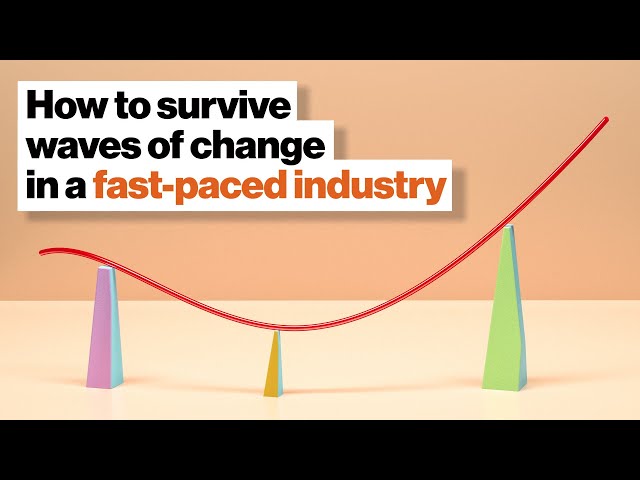
Here's how to best position yourself for taking advantage of the unexpected.

My name is Eloise and I am many things at once: I am a graduate student at the University of Oxford; I am a tutor, a rower, a feminist, a granddaughter, a daughter, a sister, a stepsister, a friend. I am also autistic.

If you think you just don’t have the brain for certain skills, you’re deceiving yourself, a new book argues. This belief undermines your ability to learn—whether it’s math, basketball, or playing the clarinet.
Everyone experiences down days at times. Feeling flat is a normal reaction to something upsetting happening, tiredness or just being stuck in a rut.

When driving themselves is no longer an option, older adults may feel the short- and long-term effects of isolation, a new study shows.
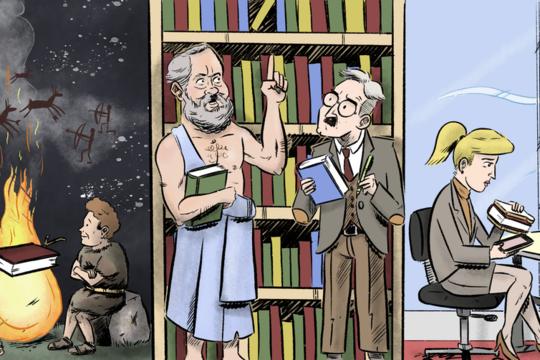
For much of human history, education has served an important purpose, ensuring we have the tools to survive. People need jobs to eat and to have jobs, they need to learn how to work.
There has always been an interest in how the name of a thing affects our interpretation of it.

At the end of the day we’re all looking for magic. This includes the ability to affect change, sometimes miraculous change, in our lives at will. Energy wants to move and flow, and once you start to listen to it and tune in, it will take you on amazing journeys.
Hypersanity’ is not a common or accepted term. But neither did I make it up. I first came across the concept while training in psychiatry, in The Politics of Experience and the Bird of Paradise (1967) by R D Laing.

Dishonesty diminishes a person’s ability to read others’ emotions, or “interpersonal cognition,” according to new research.

When we are in the throes of a “breaking open,” it can be hard to know where we are and what is happening. When the ground beneath our feet is shifting and everything around us seems to be changing, we may even feel like we no longer recognize the world around us. So a first step is to find some clarity about where we are now and “what wants to happen” next.
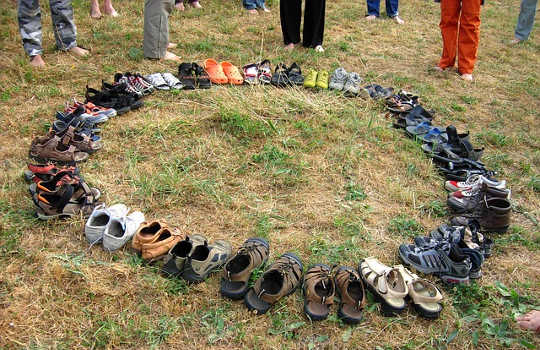

"Confidence is the necessary spark before everything that follows," says educator and activist Brittany Packnett. In an inspiring talk, she shares three ways to crack the code of confidence
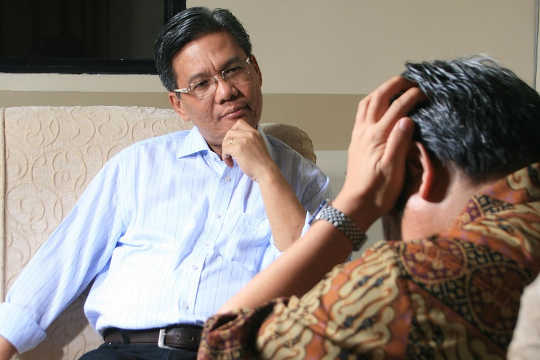
Unlike the Paleolithic woman, the 21st-century human has a higher brain designed for transcendence. Newer areas of her brain, when awakened, can fill her with gratitude and awe and wonder at this marvelous world. However, her new brain is rarely if ever awake because the unconscious lower brain that is trying to unconsciously protect her from falsely perceived danger in her world, is eating her alive!

People faced with more options than they can effectively consider want to make a good decision, but feel unable to do so, according to a new study.

Kakenya Ntaiya turned her dream of getting an education into a movement to empower vulnerable girls and bring an end to harmful traditional practices in Kenya. Meet two students at the Kakenya Center for Excellence, a school where girls can live and study safely...
 Peer approval is the best indicator of the tendency for new college students to drink or smoke, even if they don’t want to admit it, according to a new study.
The journey of Odysseus in Homer's 'The Odyssey' offers profound insights into healing...

Fostering a legacy of joy empowers individuals to inspire authentic self-expression in...

Junk emotions like anxiety, anger, and jealousy can hinder personal well-being and...

Awareness meditation shifts focus from traditional breath techniques to observing...

The exploration of precognitive dreaming reveals a profound interconnectedness within...
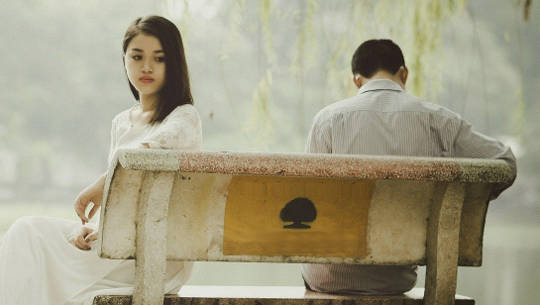
Negative moods can linger and affect overall well-being, but identifying their triggers...

A rare celestial formation is quietly reshaping the foundations of everything we know —...

You don't need a week in silence at a mountain retreat to feel spiritually alive again....