Exploring Iceland's Unique Open Prisons
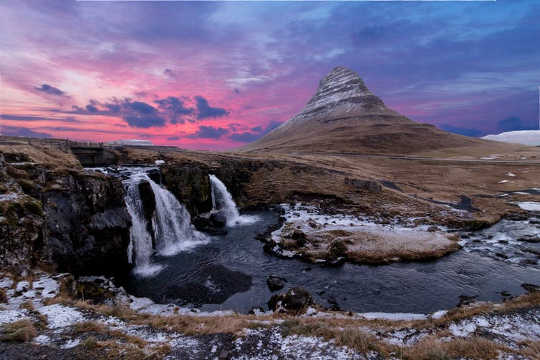
Iceland's open prisons, Kvíabryggja and another, offer a unique perspective on rehabilitation. With minimal security and a focus on communal living, these facilities prioritize...
The right would like us to believe that the inequality we see in the United States, and increasingly in other countries, is a natural outcome of market processes.


I would like to put forward an argument that at the moment a cultural shift is occurring, and the metaphysical paradigm of materialism is fading away. I also want to emphasise how important it is - for the future of our own species and for our planet as a whole - that this shift comes to full fruition, and that the materialist paradigm is transcended by a spiritual worldview.
Researchers have created a new method for keeping private the data that our many devices collect about how we use them.
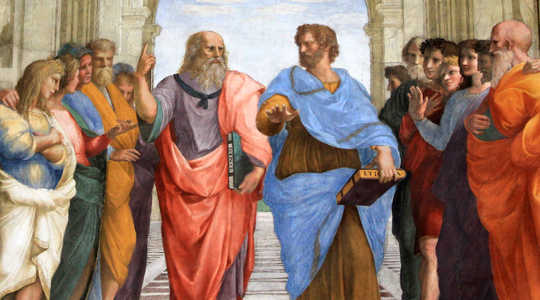
On either side of the Atlantic, groups of public intellectuals have issued a call to arms. The besieged citadel in need of defending, they say, is the one that safeguards science, facts and evidence-based policy.

A record number of women are headed to statehouses and Capitol Hill in 2019. One hundred women were elected to the U.S. House, which means that at least 121 women will serve in the 116th Congress – up from the current 107.

In order to have a democracy that thrives and actually that manages to stay alive at all you need regular citizens being able to get good, solid information.


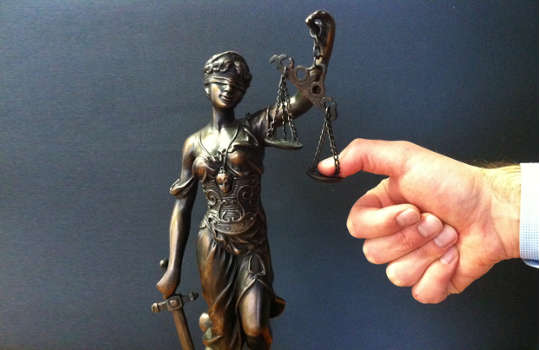
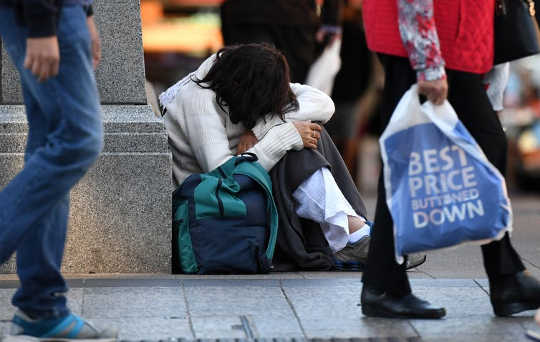
There is a significant perception gap between what the general public think about why people become homeless, and what people who have experienced homelessness say

Neutral fact checks may not sway voters to abandon false beliefs based on inaccurate information, a new study suggests. If you’re having a political argument about voter fraud, you’d think that citing a nonpartisan, neutral source like Snopes or Politifact might be the best way to correct misinformation. But that may not be the case.

For our first 125 years, about 35 percent of the members of the House retired before every election, because they believed that was good for them and good for the nation. Congressmen had not yet learned the art of feathering their own nests with hundred-thousand-dollar salaries, million-dollar pensions, large and obsequious staffs, and all the perks and privileges that power is heir to. In short, remaining in Congress for decades was not as attractive then as now.
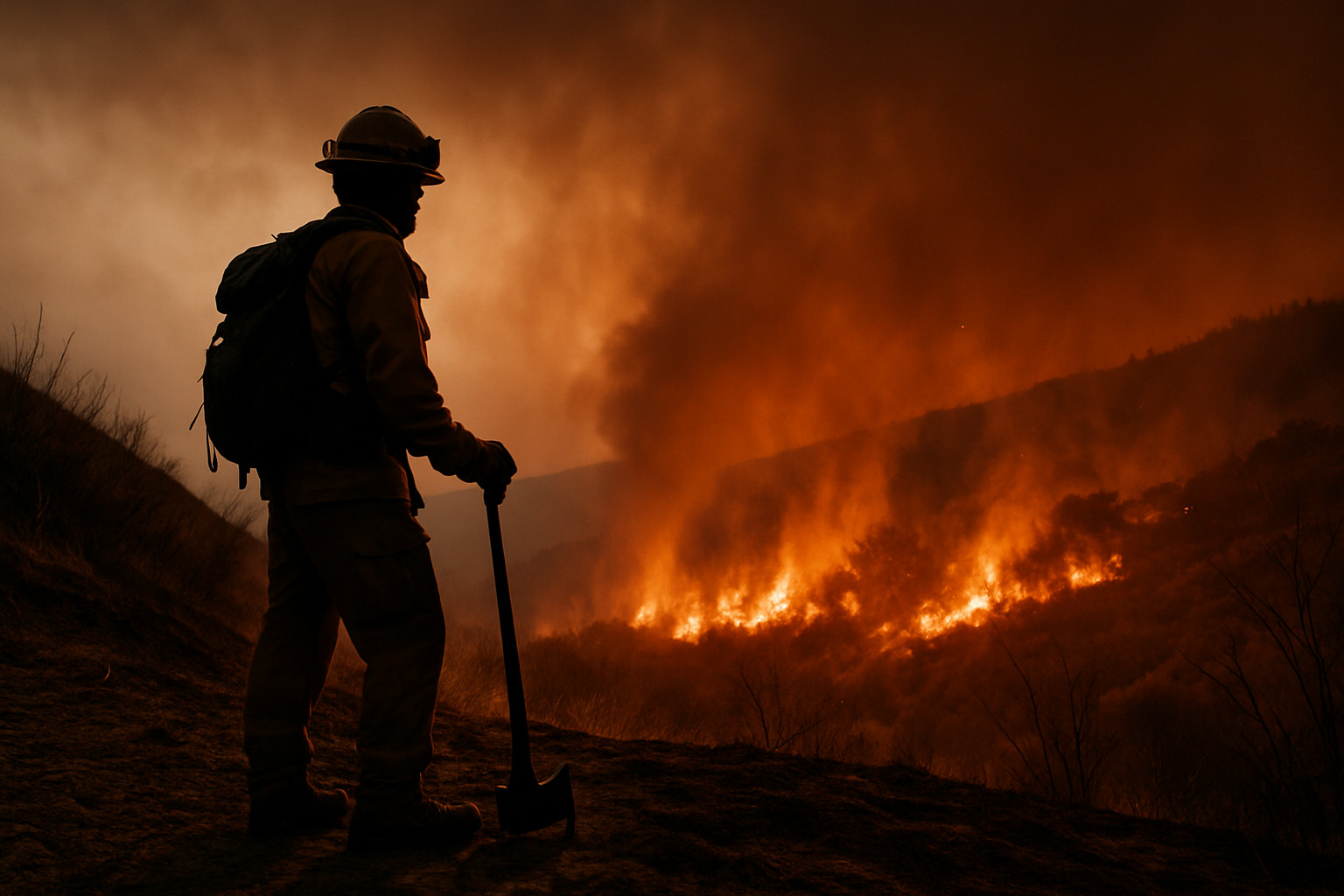
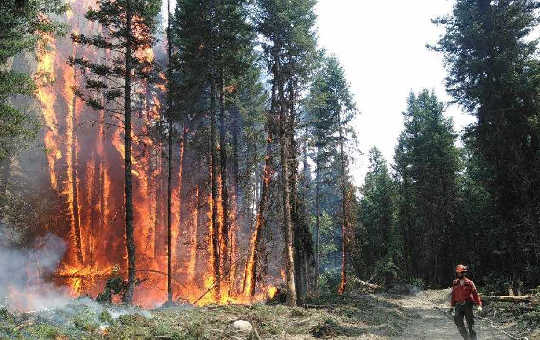
As temperatures rise, wildfires may get worse in areas that already experience them and become more prevalent in areas where they’re not yet a big risk, a new study warns.

A new documentary shows how one state is confronting Native American child removal. We are left to ponder: Whom is this truth-telling for? Is it to educate White people on colonial violence and how it continues to harm indigenous communities in Maine, or is it for the Native participants to heal and be heard? Can it simultaneously be both?

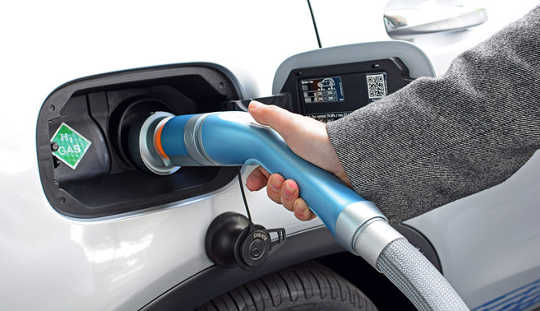
As the price of renewable energy drops and storage technologies mature, hydrogen fuel is drawing fresh attention. Perhaps, finally, hydrogen’s moment has arrived. Japan is planning to use the 2020 Tokyo Olympic Games to showcase its vision for a hydrogen society and has invested US$348 million in establishing hydrogen refueling stations and other infrastructure. Germany has launched the world’s first hydrogen-powered trains...

Questions about the legitimacy of the 2016 U.S. presidential election continue to reverberate and deepen partisan mistrust in America. Doubts have been compounded by the indictment of 12 Russians following intelligence reports of Russian interference with the election.

A lazy buzz phrase – ‘Is this the new normal?’ – has been doing the rounds as extreme climate events have been piling up over the past year. To which the riposte should be: it’s worse than that – we’re on the road to even more frequent, more extreme events than we saw this year.

New research digs into how links between economic development, technology, politics, and decision-making affect actions people are willing to take against climate change.

Now that's an intense statement: We are responsible for the mess we made! And for some, it might tend to bring up anger, defensiveness, guilt, shame, feelings of being blamed, discouragement, and other such emotions. However, for me, I see it as good news! If we are responsible for the mess we made, then we can clean it up, and we can fix it.
It seems every election is the most important. Why? Because every election has been. Why? Democracy is a very young form of governance. Those that seek power also seek to dismantle it.
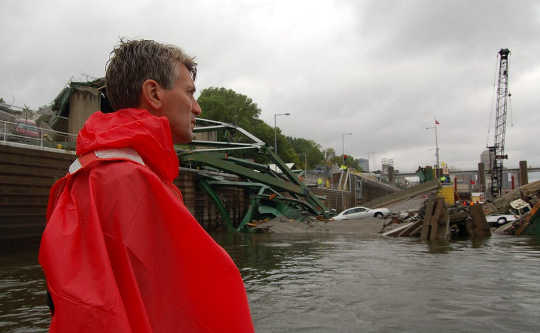

Disconnects between different levels of government make it challenging to address important challenges that confront American cities, such as fixing worn-out infrastructure. These issues require federal, state and city agencies to work together to identify funding – mostly from higher levels of government – and to plan and carry out projects.

The latest report from the Intergovernmental Panel on Climate Change (IPCC) has been called a “deafening” alarm and an “ear-splitting wake-up call” about the need for sweeping climate action. But will one more scientific report move countries to dramatically cut emissions?

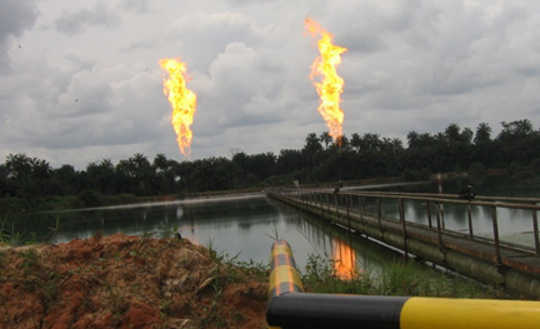
The burning of unwanted gas associated with oil production—called “flaring”—remains the most carbon-intensive part of producing oil, according to a new analysis.

The purpose of our social, economic and political systems is to enable all Australians to lead good lives. Australia is doing well on some fronts. It ranks third out of 188 countries on the UN Human Development Index, which takes into account life expectancy, education and national income per capita. We also rank 19th on national income per capita.