Reforms
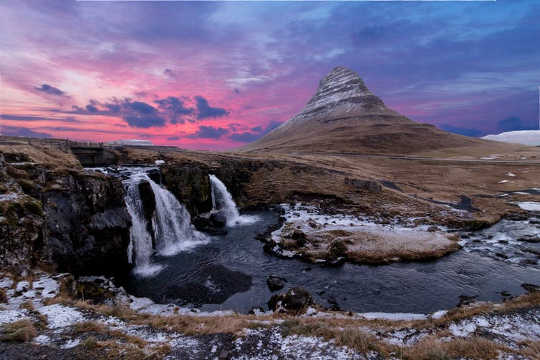
Exploring Iceland's Unique Open Prisons
Iceland's open prisons, Kvíabryggja and another, offer a unique perspective on rehabilitation. With minimal security and a focus on communal living, these facilities prioritize...

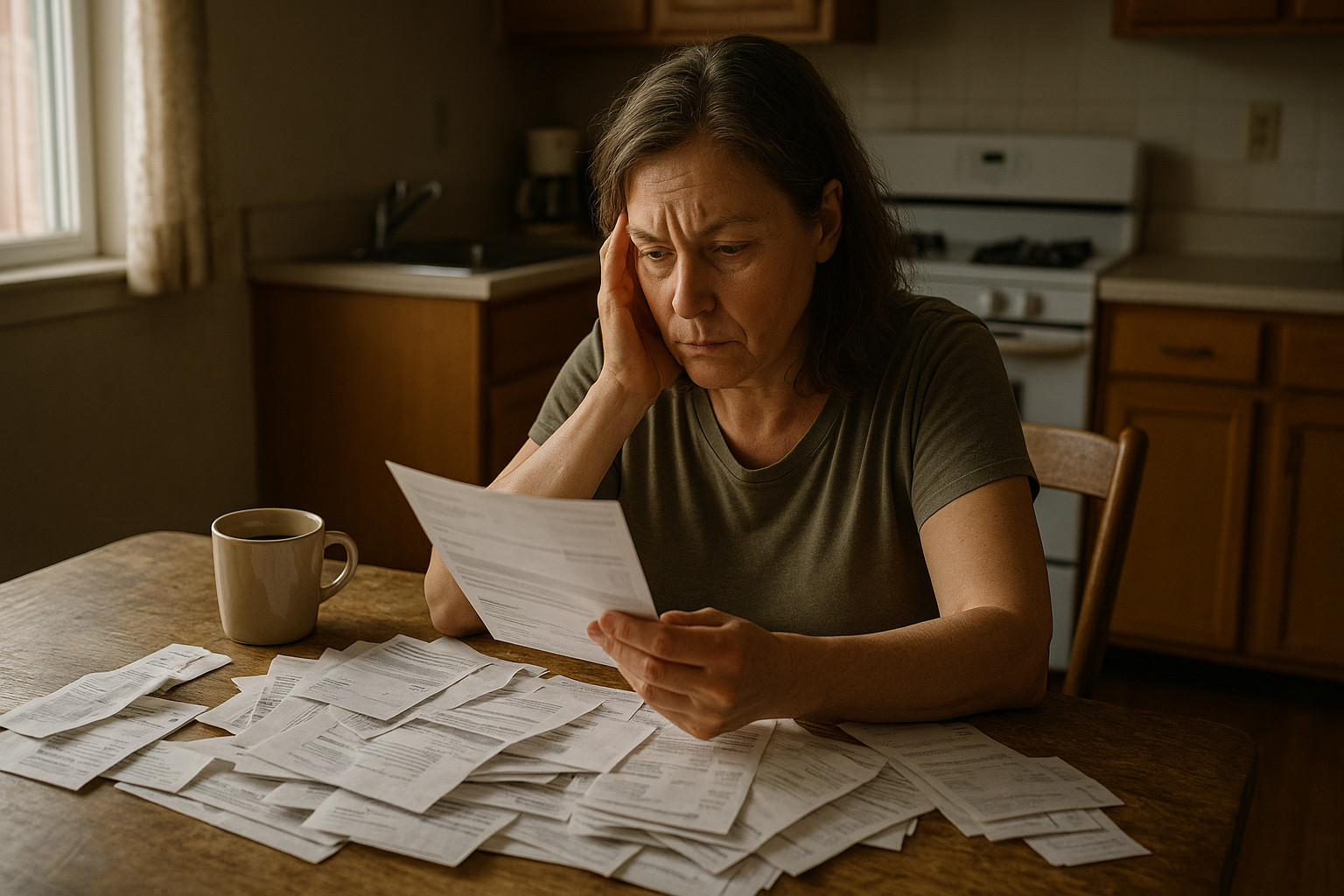









 A new study reveals employers are using online information about job applicants without their knowledge, to inform hiring decisions. Approximately 55% of organizations now have a policy about this type of practice, called profiling.
 From media and money to political polarization, the 2016 United States presidential election is rewriting the rules of the game, says Nate Persily, a law professor of law at Stanford University.
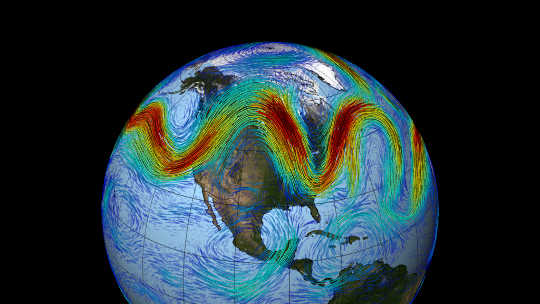 Scientists say recent work to unravel the mysteries of the Atlantic jet stream could pay off with better long-term forecasts of summer weather.
 Immigrants have become a major scapegoat in recent years for sputtering Western economies.
 Almost everyone enjoys a bank holiday. A three-day weekend means more time to spend with family and friends, to go out and explore the world, and to relax from the pressures of working life.
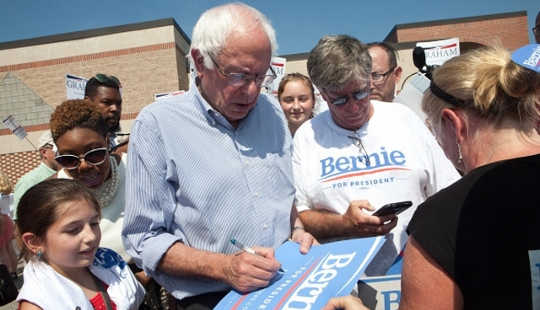 From Washington state to South Dakota, voters are pushing for public-matching systems to replace the influence wealthy bankrollers have on government.
 When a person goes to the doctor, there’s usually one thing they want: a diagnosis. Once a diagnosis is made, a path toward wellness can begin.
 Latin America has traditionally been the world’s most unequal region, but it has recently shown signs of change. Through the 2000s, high international prices for exports have brought inequality levels down.
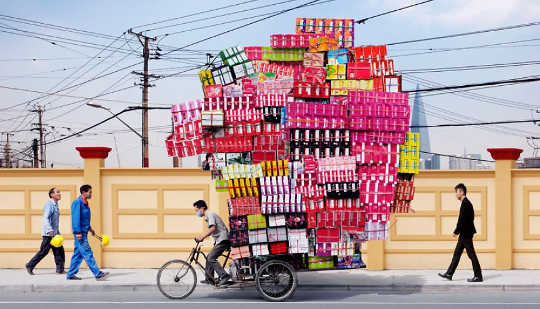 Donald Trump’s candidacy gives rise to many descriptors — authoritarian, bigoted, divisive. It is also the culmination of long-developing dysfunctions of a culture where market values have spread beyond appropriate limits and radically eroded citizenship.
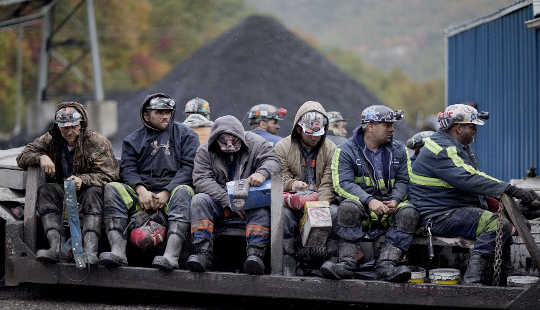 The U.S. coal industry is in rapid decline, a shift marked not only by the bankruptcy of many mine operators in coal-rich Appalachia but also by a legacy of potential environmental and social disasters.
 The Paris climate agreement set a “safe” global warming limit of below 2?, aiming below 1.5? by 2100. The world has already warmed about a degree since the Industrial Revolution, and on our current emissions trajectory we will likely breach these limits within decades.
 Good riddance to NPR’s comment section, which is shutting down Tuesday after eight years. There has to be a better way for news organizations to engage with the public.
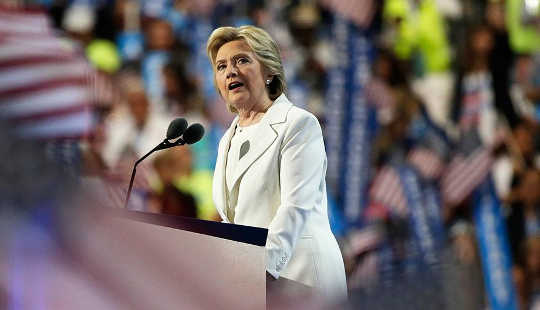 During the 2016 Democratic National Convention, Julia Gillard, prime minister of Australia between 2010 and 2013, wrote an open letter to Hillary Clinton in The New York Times.
 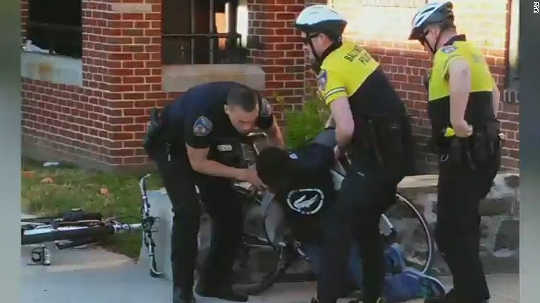 How many people die in our criminal justice system each year? It turns out it is hard to tell, and it depends who you ask.
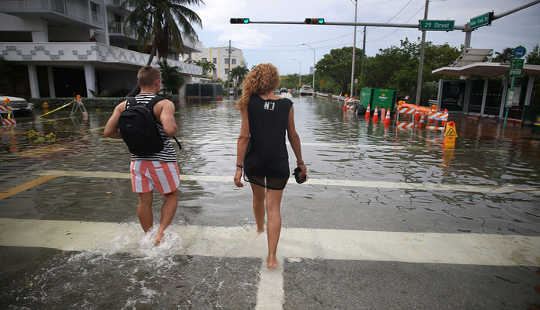 With every passing year, Southeast Florida faces more pressure to adapt to climate change. The region already experiences the effects of climate change, such as flooding on sunny days during the highest tides of the year
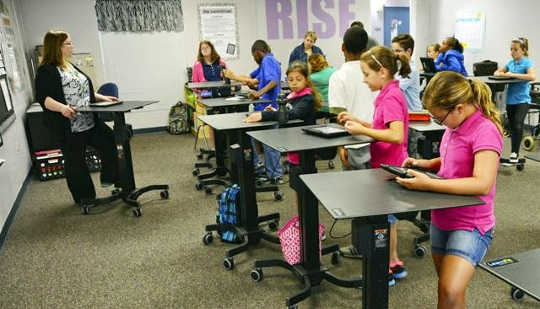 There’s new evidence that standing desks in classrooms can slow the increase in elementary school children’s body mass index (BMI)—a key indicator of obesity—by an average of 5.24 percentile points.
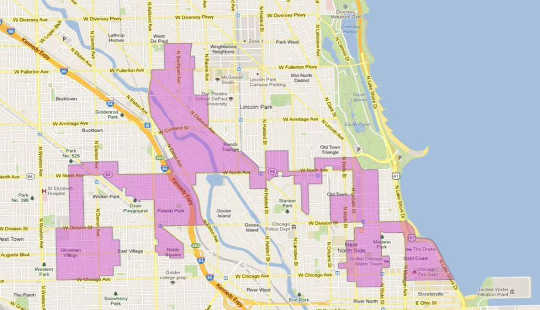 Hillary Clinton has put the Electoral College into checkmate. She’s closer to Donald Trump in many red states like Kansas and Texas than he is to her in key swing states.
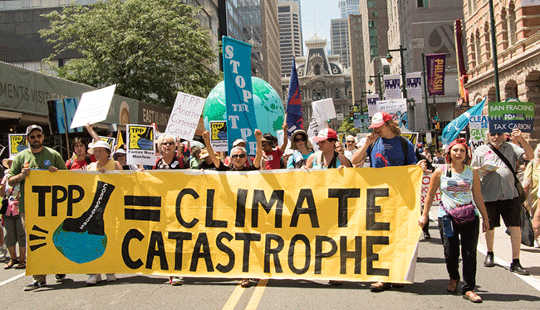 It took two days for 60 members of the Cowboy and Indian Alliance to plant the heirloom seeds by hand.
 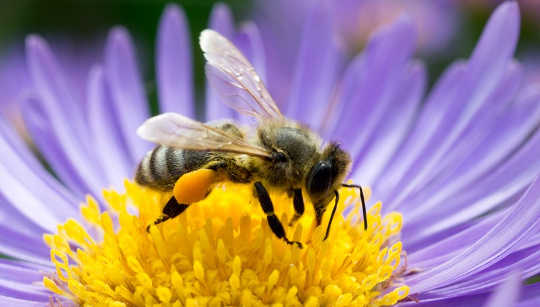 Two separate studies from the United States and England, both published today, show evidence that populations of butterflies and wild bees have declined in association with increased neonicotinoid use.
 Electrifying transportation is one of the most promising ways to significantly cut greenhouse gas emissions from vehicles, but so-called range anxiety – concern about being stranded with an uncharged car battery – remains a barrier to electric vehicle adoption.