Reforms
Exploring Iceland's Unique Open Prisons
Iceland's open prisons, Kvíabryggja and another, offer a unique perspective on rehabilitation. With minimal security and a focus on communal living, these facilities prioritize...

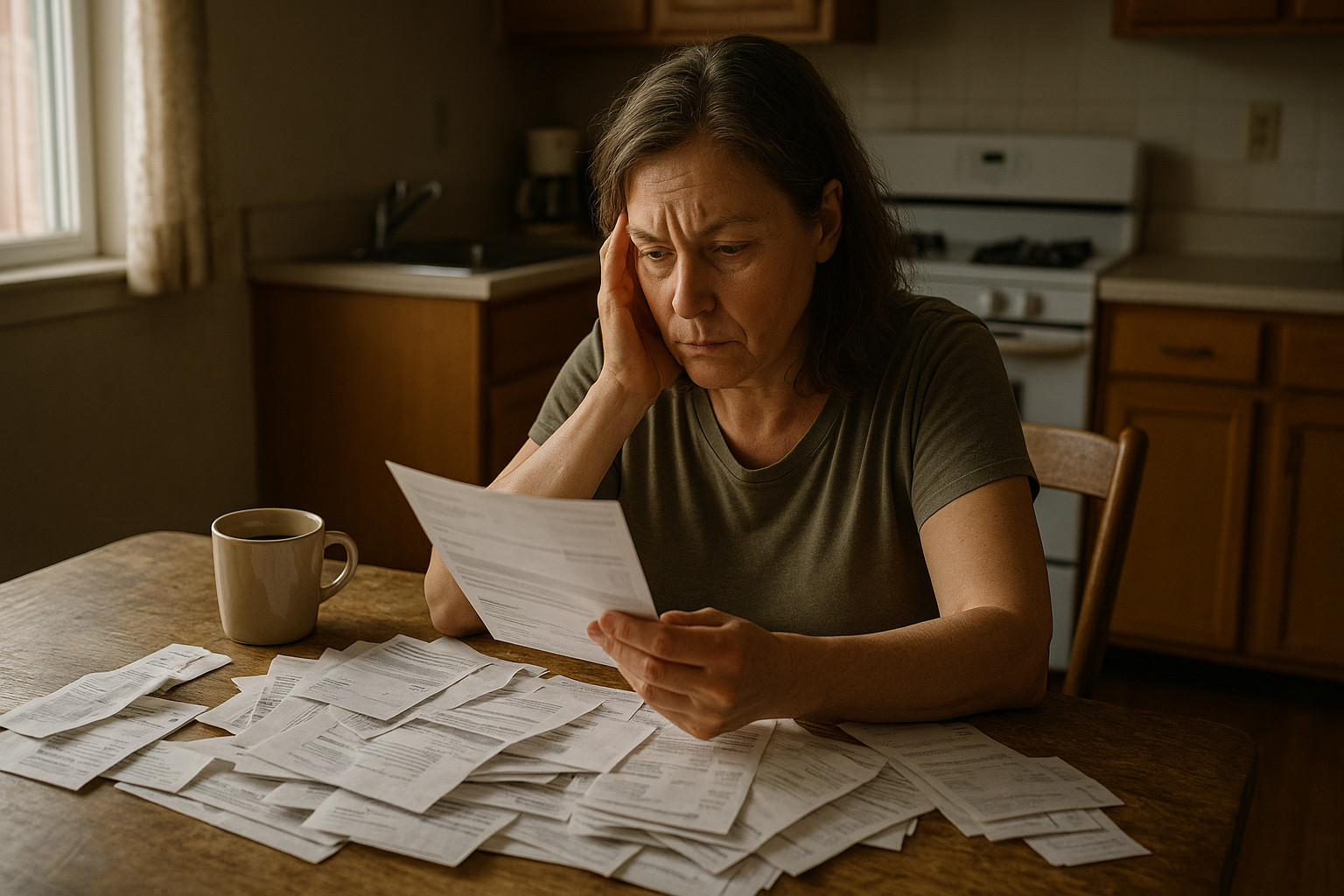









 Economic inequality is now firmly on the public agenda as candidates and voters alike look for someone to blame for stagnant wages, entrenched poverty and a widening gap between rich and poor.
 In an election year, we hear endless promises of what our politicians will do to help the people. But are the ideas we’re hearing from Bernie Sanders and others—like Medicare for all, free college tuition, paid family leave—just slogans to pander to voters suffering under stagnating wages and burdensome debt? Could those ideas ever actually take hold?
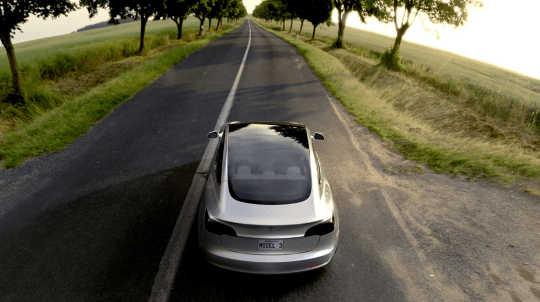 Few product launches in recent memory have captured as much attention as last week’s unveiling of the Tesla Model 3 electric vehicle (EV), Tesla’s first vehicle pitched at the mass market.
 Patients with prostate cancer in England and Wales will now have early access to abiraterone, a drug which can delay the need for chemotherapy. The drug previously cost £3,000 a month, and was not considered “cost-effective” for the NHS until cancers were more advanced – even though patients in Scotland had access to it.
 The Panama Papers is a treasure trove of information on the activities and clientele of a large, but not atypical law firm operating in an offshore financial centre. In this case, it is a firm called Mossack Fonseca, based in Panama. It follows a series of spectacular leaks by the International Consortium of Investigative Journalists, including the HSBC files
 Global average sea level has risen by about 17 cm between 1900 and 2005. This is a much faster rate than in the previous 3,000 years. The sea level changes for several reasons, including rising temperatures as fossil fuel
 The tax dealings of a number of politicians have come under scrutiny this week, following news of their offshore holdings in the Panama Papers. The leaks have led to the resignation of the Icelandic prime minister
 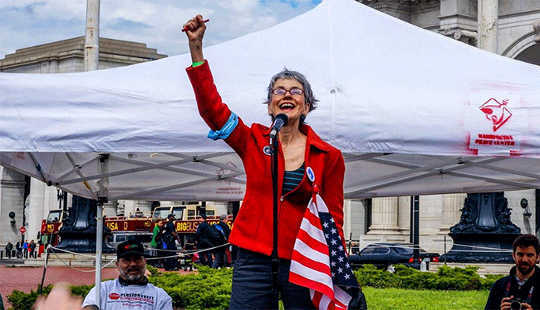 It was the most important day of my life. I walked up to the Capitol building and sat on the steps with more than 400 people. When asked to move, we refused and were arrested. We committed nonviolent civil disobedience together to protest the power of money in politics and support the restoration of real democracy.
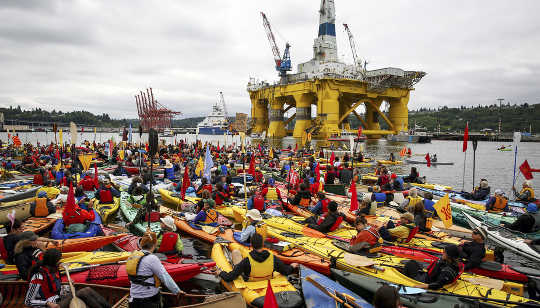 From chants of “Drill, Baby, Drill” to outrage over the BP oil spill, offshore drilling has been highly controversial in recent years. Some view it as a vastly underused revenue source, while others see it as a grave environmental threat. In parts of the Gulf of Mexico, drilling continues
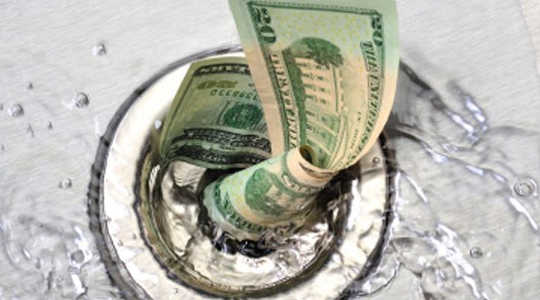 Every time you flush your toilet or drain the bath, you’re losing something surprisingly valuable: heat. It takes a lot of energy to warm up the water in the first place, and vast amounts of this energy simply disappear down and is lost in the environment.
 Many regions of the United States are struggling with water shortages. Large areas of the West are contending with moderate to severe drought, while California is now in the fifth year of one of the most extreme droughts in its history. Even non-arid regions, such as the Southeast, are not exempt from water shortages.
 More than 90 people are killed by guns every day in the United States. In 2013, there were 33,636 gun deaths in the US. Civilians own approximately 270 million guns, roughly one “for every man, woman, and child,” as President Obama noted in an address to the nation in the wake of the shooting rampage at an Oregon community college last October that left 10 dead.
 If you had the opportunity to vote for a politician you totally trusted, who you were sure had no hidden agendas and who would truly represent the electorate’s views, you would, right?
 “Bernie is doing well but he can’t possibly win the nomination,” a friend told me for what seemed like the thousandth time, attaching an article from one of the nation’s leading newspapers showing how far behind Bernie remains in delegates.
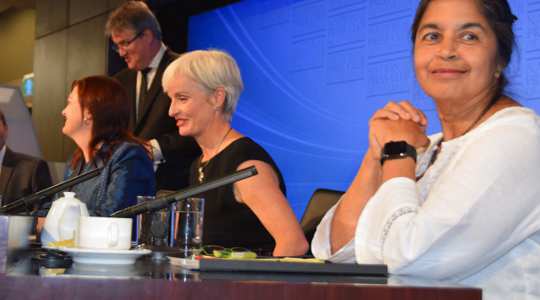 On Wednesday May 30, Emma Johnston, Nalini Joshi and Tanya Monro spoke at the National Press Club for a special Women Of Science event. Here they outline their views on how to promote greater participation by women at the top levels of science.
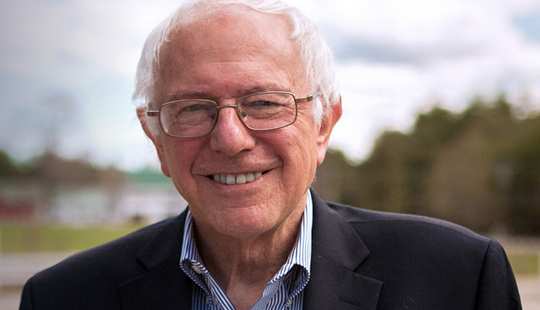 The kid was not your typical feminist. Granted, he did stand out for a 20-something living in central Maine. In these parts, his male peers’ uniform tends to be Carhartts, work boots, a beard, and a woolen cap. This fellow slinked up to the microphone in skinny suit pants and a hipster jacket.
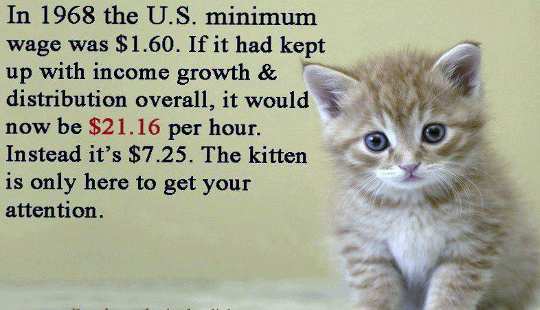 Income inequality in the United States has been a major flashpoint during the 2016 presidential election, with much debate focused on whether America is divided between “the 1 percent” who make up the wealthy elite and the lagging middle and working classes.
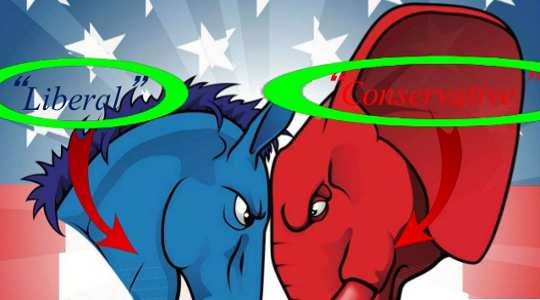 Young Americans don’t care much for political parties. According to the Pew Research Center, 48 percent of millennials (ages 18-33) identify as independents. That’s almost as many as identify as Democrats (28 percent) and Republicans (18 percent) put together.
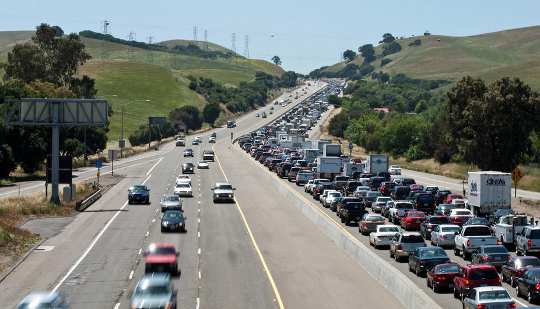 Much of the U.S. was built around the automobile, with greater distances to be covered than in places like Europe, making Americans' daily lifestyles higher in energy than elsewhere.
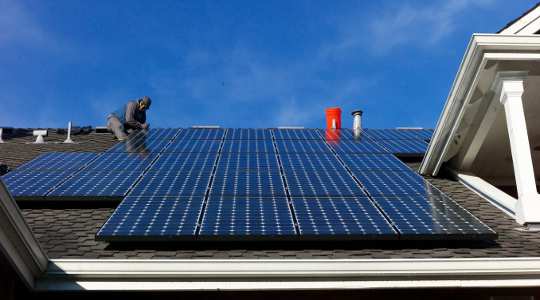 The National Renewable Energy Laboratory this week said that rooftop solar panels have the potential to generate nearly