Life Changes
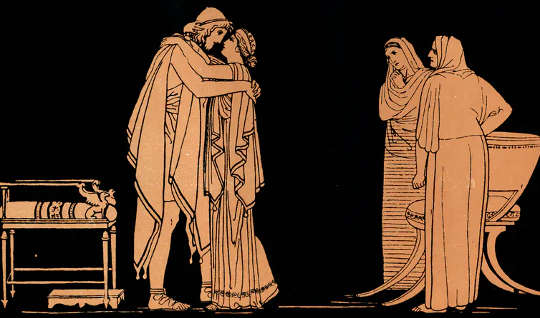
Healing Through Storytelling: Lessons from The Odyssey
The journey of Odysseus in Homer's 'The Odyssey' offers profound insights into healing...








The COVID-19 pandemic has brought once-in-a-generation destruction to the lives and livelihoods of people around the world.

Financial markets can tell us a lot about the economic recovery ahead, based on their direction of travel and how confident investors feel about the future.
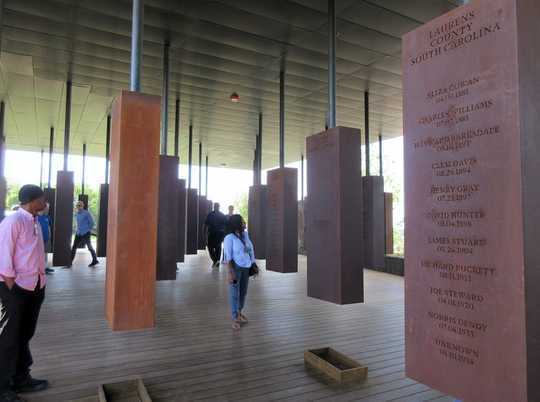
As the U.S. prepares to celebrate another year of its independence, the country is paying renewed attention to the founders, and how their legacy of slavery is linked to systemic racism.
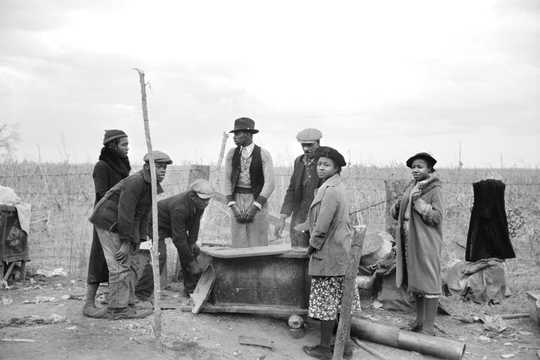
On June 19, 1865 – 155 years ago – black Americans celebrating the day of Jubilee, later known as Juneteenth, may have expected a shot at real opportunity.
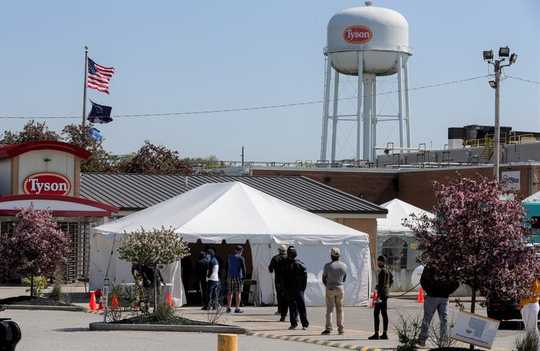
Rural areas seemed immune as the coronavirus spread through cities earlier this year. Few rural cases were reported, and attention focused on the surge of illnesses and deaths in the big metro areas.
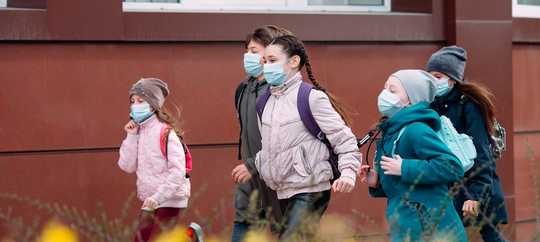
A new analysis stresses the need for caution when when reopening America’s schools.
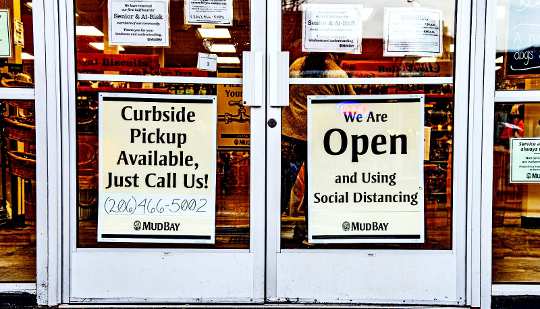
Retail isn’t going back to normal, says a professor of marketing and psychological science.
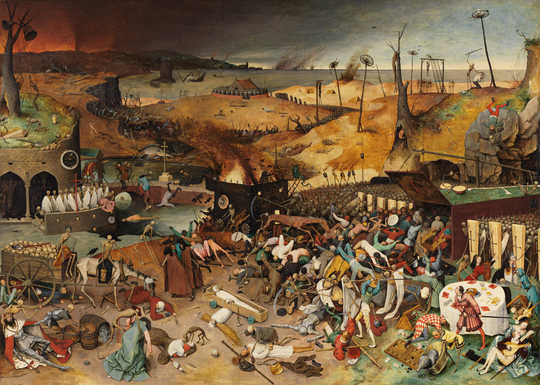
In June 1348, people in England began reporting mysterious symptoms. They started off as mild and vague: headaches, aches, and nausea.
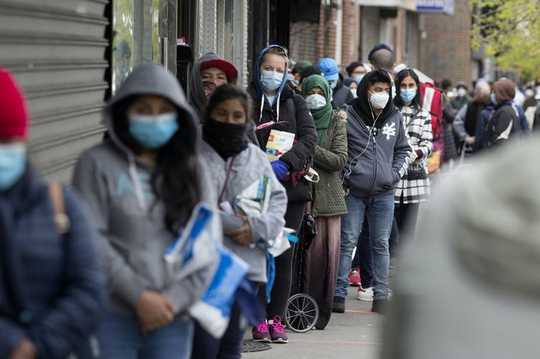
Long after the COVID-19 health emergency ends, many Americans will still suffer from the long tail of the pandemic’s economic devastation.

The United States and Canada have long enjoyed a stable relationship. The countries share history, the longest nonmilitarized international border in the world, and strong economic ties.
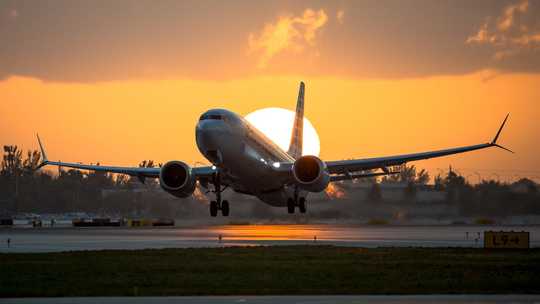
Airlines face an unprecedented international crisis in the wake of the coronavirus pandemic.
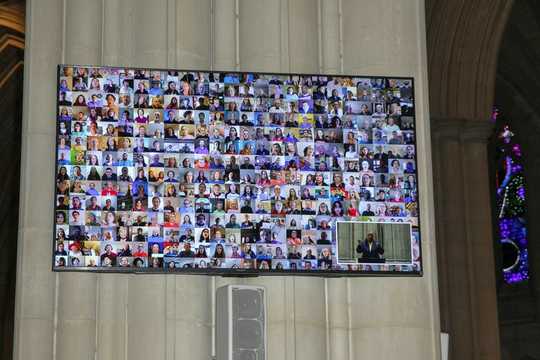
As some 350,000 American churches and other houses of worship scramble to meet the spiritual and – increasingly – material needs of their members remotely, they are doing so on a tighter budget than usual.

Policymakers are beginning to decide how to reopen the American economy. Until now, they’ve largely prioritized human health
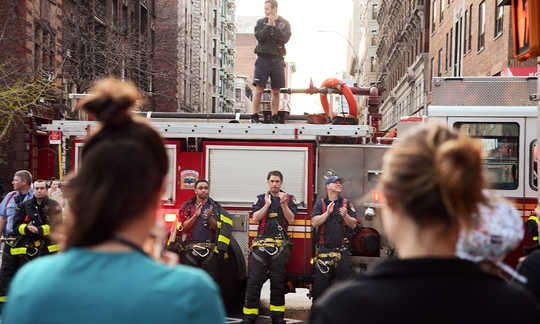
Adam Smith had an elegant idea when addressing the notorious difficulty that humans face in trying to be smart, efficient and moral.
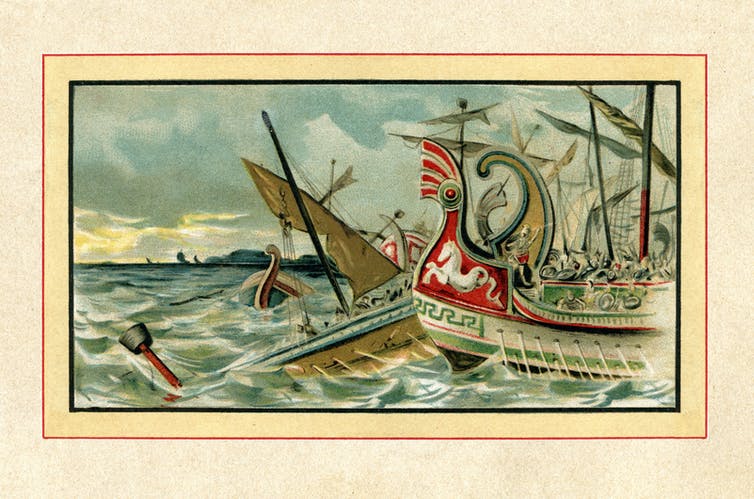
The jump in federal spending in response to the crisis of the coronavirus pandemic is not a new idea.
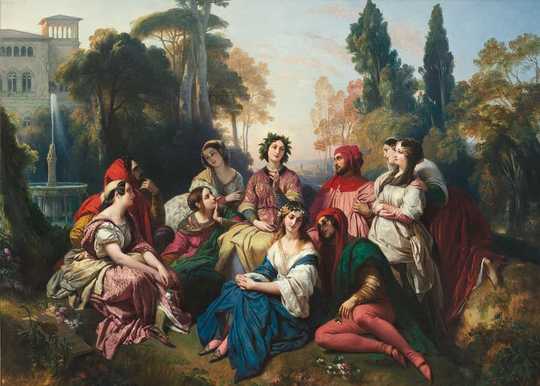
The coronavirus can infect anyone, but recent reporting has shown your socioeconomic status can play a big role, with a combination of job security, access to health care and mobility widening the gap in infection and mortality rates between rich and poor.

Consider these two questions: What percentage of Americans are, or have been, infected with the coronavirus?

Retailers are frequently running out of everything from flour and fresh meat to toilet paper and pharmaceuticals as supply chains hammered by the coronavirus struggle to keep up with stockpiling consumers.

A series of recent protests by the workers preparing and delivering our essential foods and other goods highlights a key risk to our ability to combat the coronavirus.
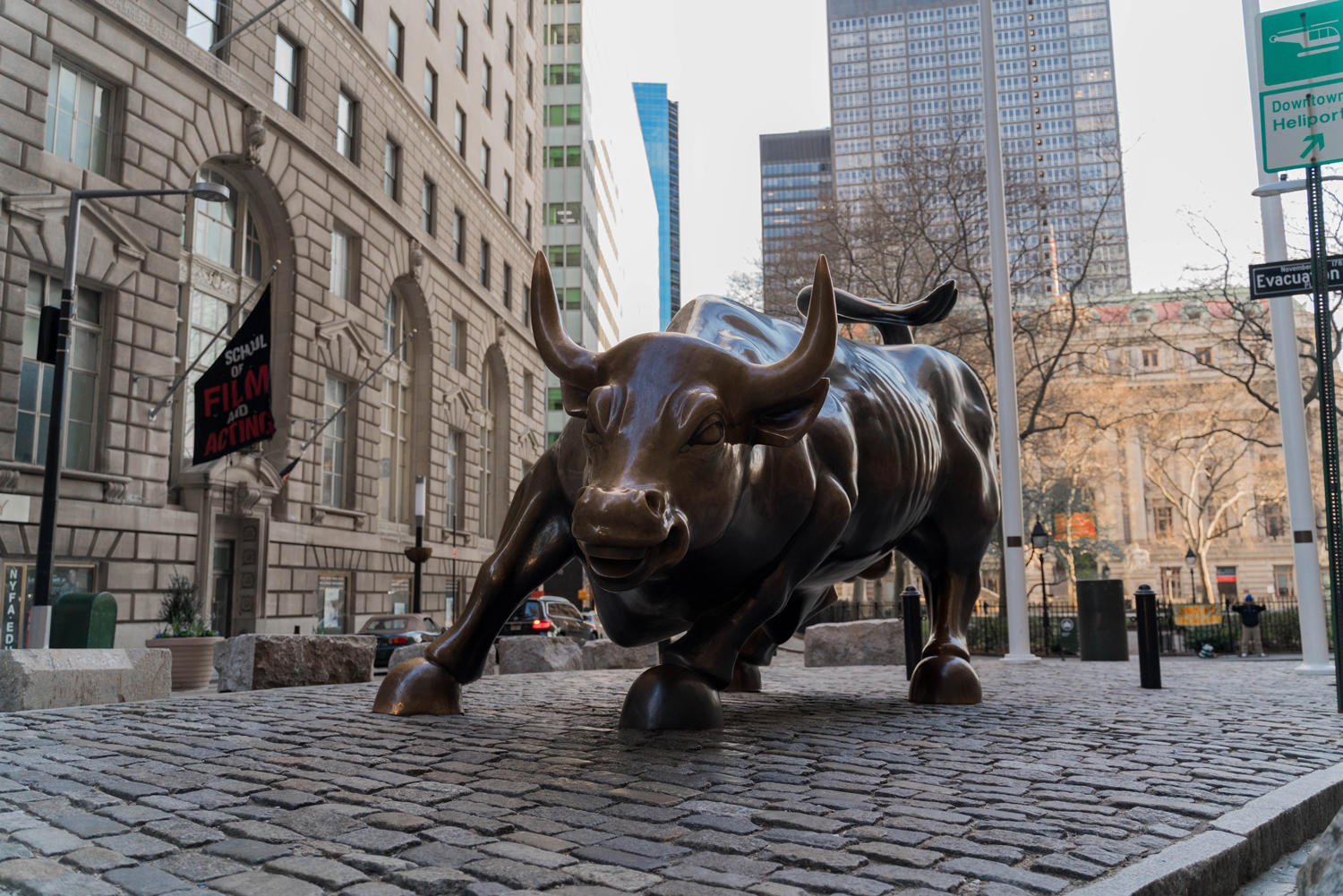
From New York to Moscow, Johannesburg to Buenos Aires, the novel coronavirus continues its global journey. On March 30, almost three months after China announced the discovery of COVID-19, the disease associated with the coronavirus, more than 780,000 people have been infected and at least 37,000 have died.

The COVID-19 outbreak appears headed for the U.S., and the Centers for Disease Control and Prevention are urging Americans to prepare now, such as by stocking up on food and prescription drugs.
The journey of Odysseus in Homer's 'The Odyssey' offers profound insights into healing...

Fostering a legacy of joy empowers individuals to inspire authentic self-expression in...

Junk emotions like anxiety, anger, and jealousy can hinder personal well-being and...

Awareness meditation shifts focus from traditional breath techniques to observing...
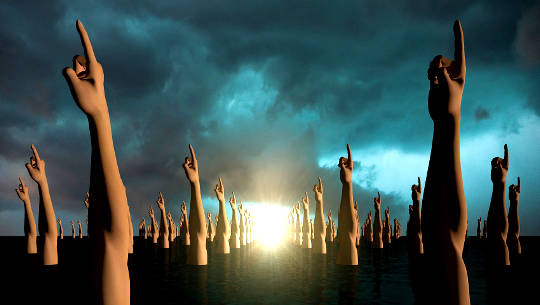
The exploration of precognitive dreaming reveals a profound interconnectedness within...
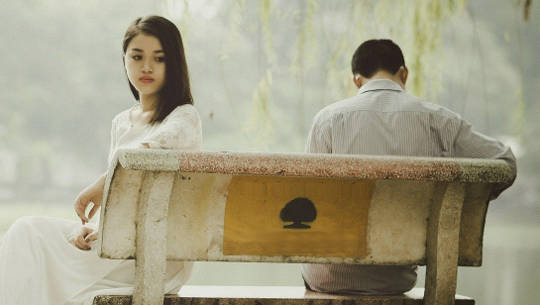
Negative moods can linger and affect overall well-being, but identifying their triggers...

A rare celestial formation is quietly reshaping the foundations of everything we know —...

You don't need a week in silence at a mountain retreat to feel spiritually alive again....