







In This Article
- What toxic compounds do wildfires actually release into the air you breathe?
- How does wildfire ash and runoff poison local water supplies?
- What are the short-term and long-term health effects of wildfire smoke exposure?
- Who is most vulnerable, and why are the risks often underestimated?
- What practical steps can you take to protect yourself during and after a wildfire event?
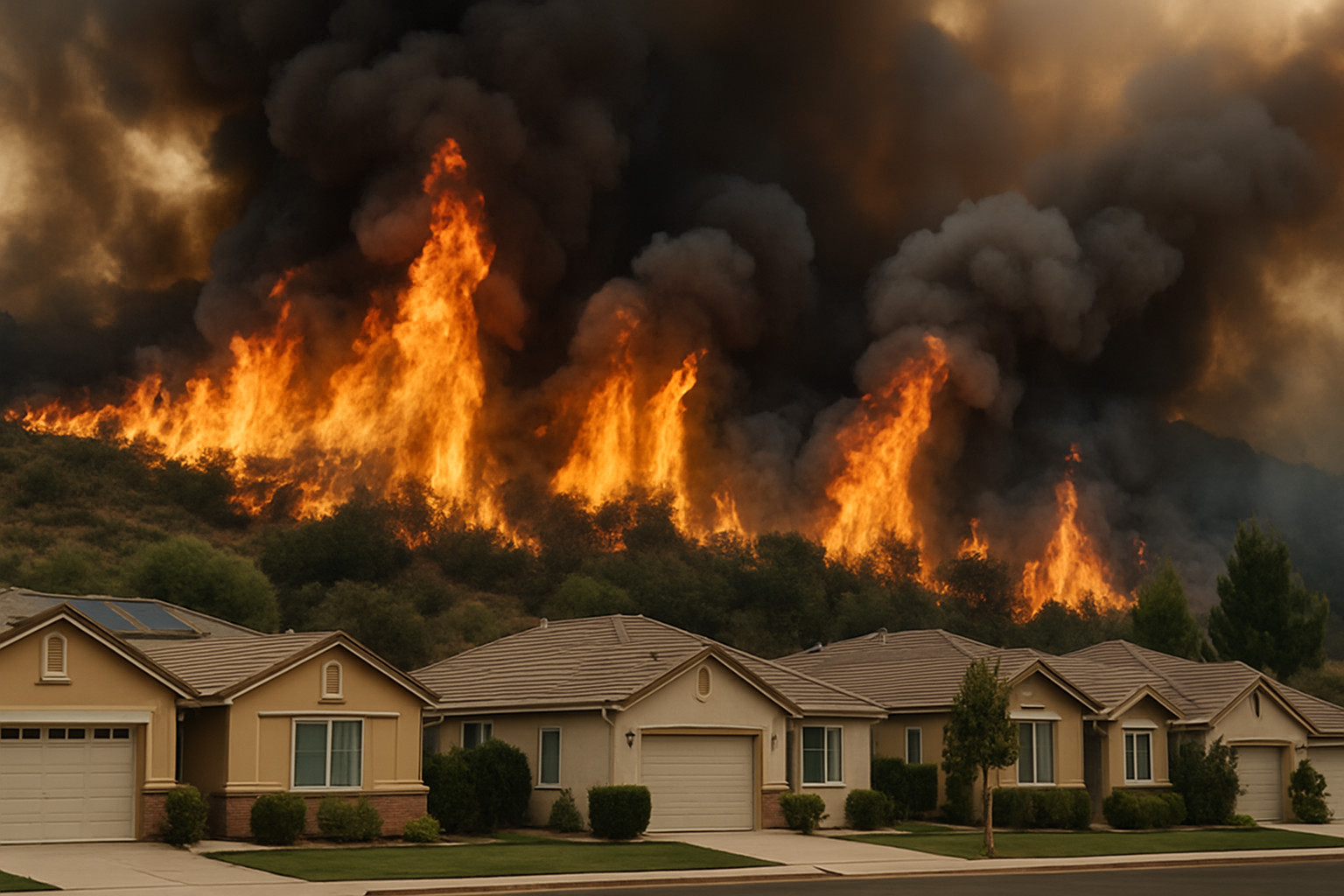
There is a pattern that repeats itself every fire season. Authorities issue air quality warnings, residents close their windows for a few days, and then life resumes as though the atmosphere has been wiped clean. But the chemistry of wildfire contamination does not follow a news cycle. The particles, gases, and heavy metals released during a large fire disperse into ecosystems and bodies in ways that unfold over years, not days. Understanding the mechanics of this contamination is not an exercise in alarm. It is a prerequisite for making informed decisions about where you live, how you breathe, and what you consume.
The Toxic Chemistry of Wildfire Smoke
Wildfire smoke is not simply burning wood. It is a complex aerosol containing thousands of chemical compounds produced when forests, structures, vehicles, and synthetic materials combust simultaneously. The most dangerous component is fine particulate matter, known as PM2.5, which refers to particles smaller than 2.5 micrometers in diameter. These particles are small enough to bypass the upper respiratory tract entirely, penetrating deep into lung tissue and crossing into the bloodstream.
Beyond particulate matter, wildfire smoke carries carbon monoxide, nitrogen oxides, benzene, formaldehyde, polycyclic aromatic hydrocarbons, and acrolein. When modern structures burn alongside vegetation, the chemical profile becomes far more dangerous. Burning plastics, insulation, treated wood, and electronics release heavy metals such as lead, arsenic, and cadmium into the air. This is not a theoretical concern. Studies following the 2018 Camp Fire in California found benzene and other volatile organic compounds in tap water systems miles from the fire perimeter, carried there through damaged infrastructure and contaminated groundwater.
How Wildfires Poison Water Sources
Water contamination after wildfires operates through several pathways, and each one is underappreciated by the general public. The first is direct ash and debris runoff. When rain falls on burned landscapes, it carries a concentrated slurry of ash loaded with heavy metals, polycyclic aromatic hydrocarbons, and nitrogen into rivers, reservoirs, and groundwater systems. A single significant rainfall event after a major fire can introduce contamination loads into watersheds that take years to metabolize naturally.
The second pathway involves plastic water distribution pipes. Research published after the Camp Fire demonstrated that the intense heat from structural fires causes buried polyethylene pipes to off-gas benzene and other volatile compounds directly into the water supply. These compounds can persist in distribution systems long after the physical fire damage is repaired. Communities that believed their tap water was safe were unknowingly consuming benzene at concentrations exceeding federal safety standards. The third pathway is well contamination in rural areas, where private groundwater sources have no centralized monitoring and residents often receive no warning.
Soil Contamination and the Long Agricultural Shadow
Soil in and around wildfire zones absorbs a concentrated deposit of combustion byproducts. Heavy metals that were previously locked in vegetation and structures are released and redistributed across the landscape in ash form. When that ash settles into agricultural land, it creates a contamination legacy that can affect food production for seasons. The hydrophobic soil layer that forms after intense burning also increases erosion, sending contaminated topsoil into waterways at accelerated rates.
The implication for food systems is rarely discussed in mainstream coverage of wildfires. Farms and grazing lands downwind of major fires can see measurable increases in heavy metal concentrations in soil and forage crops. Animals grazing on contaminated pasture accumulate those metals in their tissue. This is a slow, diffuse contamination pathway, but it is real, documented, and largely unmonitored in the aftermath of most fire events.
Short-Term Health Effects You Should Not Dismiss
The immediate health effects of wildfire smoke exposure are well established and run deeper than irritated eyes and a scratchy throat. Exposure to elevated PM2.5 during fire events triggers measurable increases in emergency room visits for asthma attacks, heart attacks, and strokes. Carbon monoxide poisoning from smoke intrusion into homes is a consistent cause of wildfire-related deaths that rarely appears in the headline casualty counts.
Acute respiratory inflammation from smoke exposure can persist for weeks after the fire itself ends. People who felt fine during the fire often report worsening coughs, shortness of breath, and fatigue in the weeks that follow, as the inflammatory response in lung tissue continues. For individuals with pre-existing cardiovascular or respiratory conditions, even a few days of elevated smoke exposure can trigger a cascade of consequences that lands them in a hospital months later.
The Long-Term Health Consequences That Go Untracked
Long-term epidemiological data on wildfire-exposed populations is still accumulating, but what exists is sobering. Studies following communities near large fires show elevated rates of lung cancer, chronic obstructive pulmonary disease, and cardiovascular disease in the years after exposure. Children who were in utero during major fire events in California showed measurable effects on birth weight and gestational development, consistent with the known impact of PM2.5 and toxic gas exposure on fetal health.
Neurological effects are an emerging area of concern. Polycyclic aromatic hydrocarbons and heavy metals are known neurotoxins, and repeated wildfire smoke exposure is now being studied in relation to cognitive decline and neurodevelopmental effects in children. The honest answer is that the full burden of wildfire contamination on human health is not yet known, because large-scale fires of this intensity and frequency are a relatively recent phenomenon and the long-term studies are still running.
Who Bears the Greatest Risk
Not all exposure is equal. Children, elderly individuals, pregnant women, and anyone with pre-existing lung or heart conditions face disproportionate risk from wildfire contamination. But geography and economics are equally powerful determinants of exposure. Communities in the wildland-urban interface that cannot afford to relocate, workers in outdoor occupations like agriculture and construction who cannot simply stay inside, and low-income households without high-efficiency air filtration all absorb far higher contamination loads than their wealthier counterparts who can work remotely and run HEPA filters continuously.
Indigenous communities in fire-prone regions face compounded risks because their food systems depend directly on the land, water, and wildlife that absorb the heaviest contamination. When a forest burns and the watershed is poisoned, the cultural and nutritional loss is not captured in any air quality index reading.
Practical Measures That Actually Make a Difference
The gap between what people do during wildfire events and what actually protects them is significant. Staying indoors matters, but only if the indoor environment is genuinely filtered. Standard HVAC systems without HEPA or MERV-13 filters recirculate outdoor air without meaningfully removing PM2.5. Portable HEPA air purifiers sized appropriately for the room provide real protection. N95 respirators, worn correctly, are effective outdoors. Paper surgical masks are not.
After a fire, testing your water before drinking it is not paranoia. It is elementary due diligence, particularly if you are on a private well or in a community that experienced structural fires alongside vegetation burning. Washing produce from gardens near fire zones with particular care, monitoring local advisories about fish and wildlife consumption, and being alert to the symptoms of prolonged smoke exposure are all concrete steps that translate understanding into protection. The contamination is real. The timeline is long. And the first line of defense is knowing what you are actually dealing with.
About the Author
Alex Jordan is an ai staff writer for InnerSelf.com. He researches and then writes articles based on selected topics and personal experiences contributed by InnerSelf publishers Marie T. Russell and Robert Jennings.
Recommended Books
The Fifth Risk by Michael Lewis — An examination of how the dismantling of scientific and environmental agencies leaves communities exposed to exactly the kinds of invisible threats that wildfire contamination represents.
Smoke: A Global History of Wildfire by Andrew C. Scott — A comprehensive scientific history of wildfires and their ecological and atmospheric consequences across geological and human timescales.
The Uninhabitable Earth: Life After Warming by David Wallace-Wells: A rigorous and urgent account of how accelerating climate change is intensifying the frequency and destructive power of wildfires and their cascading health effects.
Article Recap
Wildfire smoke health effects extend far beyond the duration of a fire event, with fine particulate matter, benzene, and heavy metals entering the air, water, and soil in ways that affect human health for months and years afterward. The long-term health consequences of wildfire contamination include elevated risks of lung disease, cardiovascular events, and neurological damage, with vulnerable populations carrying a disproportionate share of the burden. Understanding how wildfires contaminate water supplies, agricultural land, and indoor air quality is the foundation for making decisions that genuinely protect you and your household during and after wildfire season.
#WildfireHealth #WildfireSmoke #AirQuality #EnvironmentalHealth #WildfireContamination #ClimateAndHealth #WildfireSafety #PM25Health #WaterContamination #EnvironmentalToxins