

Herbs & Supplements
Genetics Influence Coffee and Tea Preferences
Recent research reveals that genetics play a significant role in determining whether individuals prefer coffee or tea. Specific bitter taste receptor genes influence how people...















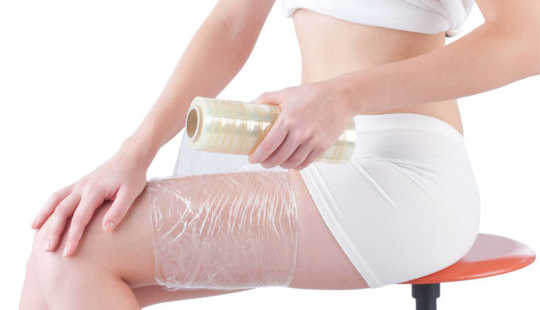 If woven into clothing, a new low-cost, plastic-based textile could cool your body far more efficiently than is possible with the natural or synthetic fabrics in clothes we wear today.
 “Never put anything smaller than your elbow into your ear” is something we’ve been wisely cautioned against at some stage or another. But more of us are ignoring this advice.
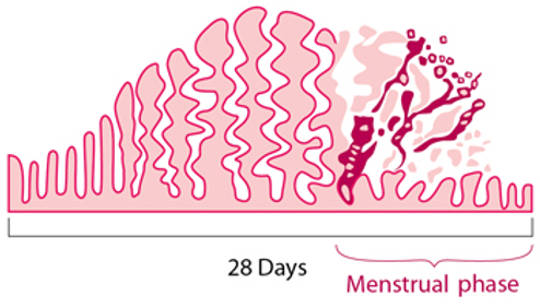 Short menstrual cycle lengths and early or late onset of menstruation are associated with reduced fertility, according to a new study.
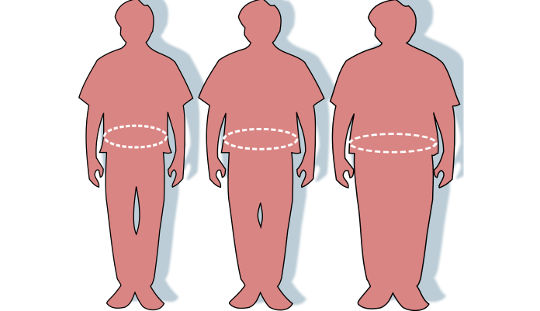 Despite a growing epidemic, many medical providers fail to diagnose obesity in their patients—missing an opportunity to identify an important component of long-term health.
 There has been substantial publicity about the MINDACT trial, which could lead to changes in breast cancer treatment. The study’s results suggest that women with a certain genetic profile would have a good chance of survival and cure regardless of chemotherapy.
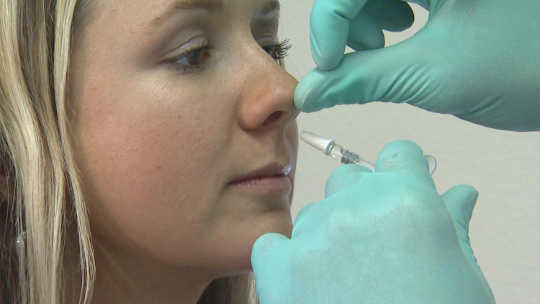 A Phase 3 clinical trial has deemed a nasal spray called Kovanaze safe and effective for avoiding pain at the dentist—including the sting of a numbing injection.
 The updated Toxic Substances Control Act brings new hope for protecting Americans’ health and environment. Here's what it does — and doesn’t — do.
 A new catalyst could make biodegradable plastics derived from renewable materials—promising alternatives to plastics made from oil.
 Well-being is seen as increasingly important in the workplace. A growing number of companies have well-being policies, such as free gym memberships and health insurance, to cater to their employees' needs.
 A set of biomarkers found in blood samples seem to predict with about 85 percent accuracy whether or not a person will develop Alzheimer’s disease.
 A new study, done by pooling data from most of those studies, throws cold water on the idea that extra pounds may stem from an imbalance of the bacteria inside us.
 Sexual inequality begins in the womb, but not in the way you might think. In a study of more than 574,000 births in South Australia between 1981 and 2011, we found boys are more likely to be born preterm and the risk is greater for boys the earlier the birth.
 The fracking industry has been an energy success story: Natural gas prices have decreased as fracking has skyrocketed, and natural gas now produces more electricity than coal does, which has resulted in improved air quality.
 Older adults enjoy using Facebook, email, instant messaging, and other forms of social media—and doing so may even reduce loneliness and improve health.
 It is a hotly debated, highly researched subject: which fats are good for us and which aren’t?
 Tiny, biointensive operations show smallholder farmers from around the world how they can grow far more food than conventional approaches.
 As an emergency room physician in Washington, D.C., it didn’t take long for Leana Wen to notice a pattern
 The hormone melatonin appears to suppress the growth of breast cancer tumors, say researchers.
 The use of food supplements and herbal medicinal products by the public, including athletes, is common practice – but it is not well regulated.