
Life Changes
Healing Through Storytelling: Lessons from The Odyssey
The journey of Odysseus in Homer's 'The Odyssey' offers profound insights into healing...








 New research suggests that excess sugar—especially the fructose in sugary drinks—might damage your brain.
 Healthier people mean not only less disease but also reduced greenhouse gas emissions from health care. Changing your diet, therefore, could be a way to fight climate change.
 Spermidine—a compound in foods like aged cheese, mushrooms, soy products, legumes, corn, and whole grains—may prevent liver fibrosis and hepatocellular carcinoma, the most common type of liver cancer.
 A “congestion tax” that discourages downtown driving not only cuts traffic and pollution, but also sharply reduces children’s asthma attacks.
 A small number of people—about 6 percent—who had not been taking opioids before an operation, but got them to ease post-surgery pain, are still taking painkillers three to six months later. That’s long after what is considered normal for surgical recovery.
 People with symptoms of depression may not feel like socializing, but doing something fun with friends can improve mood, a new study shows.
 The common but otherwise harmless reovirus can trigger the immune system response to gluten that may lead to celiac disease, new research shows.
 This is the greatest favor I can do for you as a nutritionist: A diet program that doesn’t tell you exactly which foods to eat and in what amounts. Empowering you to be in deeper relationship with food and with the genius in your body is the surest road to your most powerful metabolism.
 Previously, researchers knew that depriving mice of sleep after the mice performed a task resulted in the mice forgetting aspects of that task. But researchers weren’t sure what function of the hippocampus
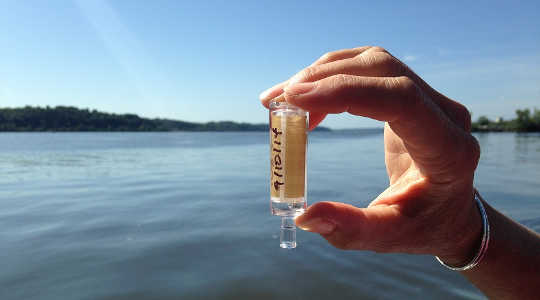
A new way to test for a wide range of micropollutants in waterways has already turned up a nightmarish cocktail of contaminants.
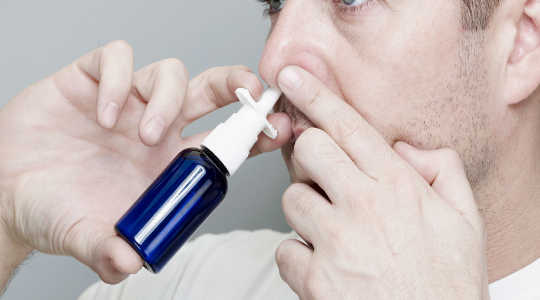 A nasal spray can limit damage to the brain from a seizure disorder called status epilepticus, a study in animals shows.
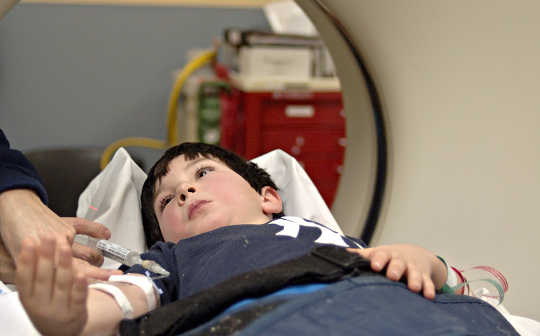
CT scans provide essential diagnostic images but carry a small risk of cancer, particularly in children. Recent studies show a slight increase in cancer risk for young patients exposed to CT scans, leading to discussions on the necessity of these scans and the development of guidelines to minimize unnecessary exposure. Understanding these risks is crucial for informed medical decisions.
 The unmet sleep needs of the elderly elevate their risk of memory loss and a wide range of mental and physical disorders, say researchers.
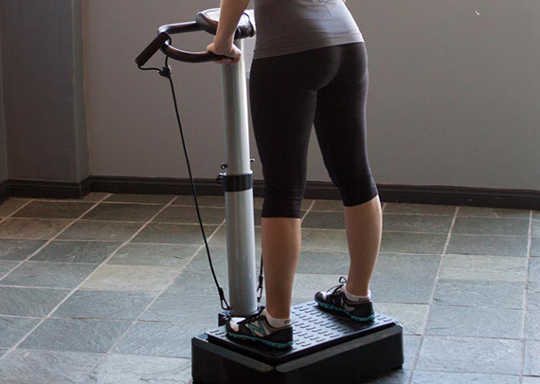
Vibration machines promise significant fitness benefits with minimal effort, claiming that just ten minutes of use equals an hour of traditional exercise. However, evidence supporting these claims is mixed, particularly concerning weight loss. While some studies suggest benefits for certain populations, more research is needed to validate the effectiveness of these machines for general fitness.

Recent research reveals that shooters, whether professional or recreational, face significant risks of lead poisoning from bullets and airborne particles at shooting ranges. With elevated blood lead levels found in many participants across various studies, understanding the sources of lead exposure and its potential health impacts is crucial for all involved in shooting activities.

A recent study reveals that drinking tea can significantly lower the risk of cognitive impairment, with a 50% reduction overall and up to 86% for older adults at genetic risk for Alzheimer's. This simple lifestyle change may offer a promising avenue for dementia prevention as current pharmacological treatments remain inadequate.
 It was once a fringe topic for scientists and a pseudo-religious dream for others.
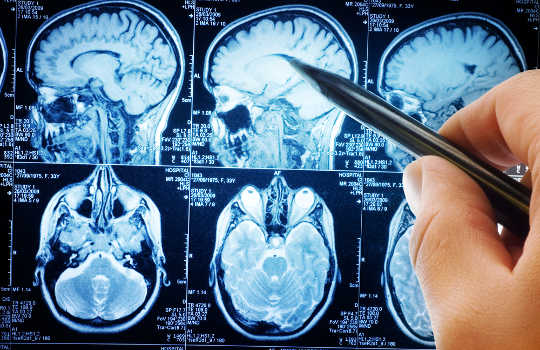 Specific patterns of activity on brain scans may help clinicians identify whether psychotherapy or antidepressant medication is more likely to help a patient recover from depression.

Continuing or initiating cigarette use after stopping the use of illicit drugs is linked to an increased likelihood of substance use relapse, research shows.
 Obsidian asks us not to look upon the broken pieces that lay on the ground; rather, obsidian helps us to see ourselves as the perfection that is revealed from within when the unnecessary parts of ourselves are stripped away.
 Gum disease and tooth loss may be associated with a higher risk of death among postmenopausal women, according to a new study.
The journey of Odysseus in Homer's 'The Odyssey' offers profound insights into healing...

Fostering a legacy of joy empowers individuals to inspire authentic self-expression in...

Junk emotions like anxiety, anger, and jealousy can hinder personal well-being and...

Awareness meditation shifts focus from traditional breath techniques to observing...

The exploration of precognitive dreaming reveals a profound interconnectedness within...

Negative moods can linger and affect overall well-being, but identifying their triggers...

A rare celestial formation is quietly reshaping the foundations of everything we know —...

You don't need a week in silence at a mountain retreat to feel spiritually alive again....