Life Changes
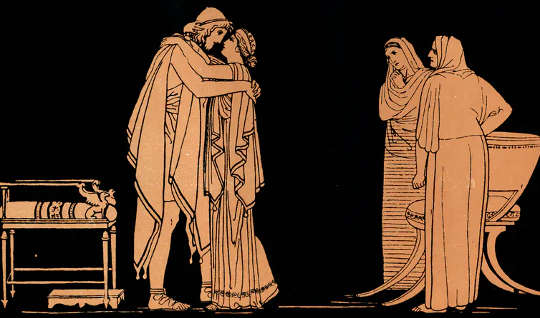
Healing Through Storytelling: Lessons from The Odyssey
The journey of Odysseus in Homer's 'The Odyssey' offers profound insights into healing...








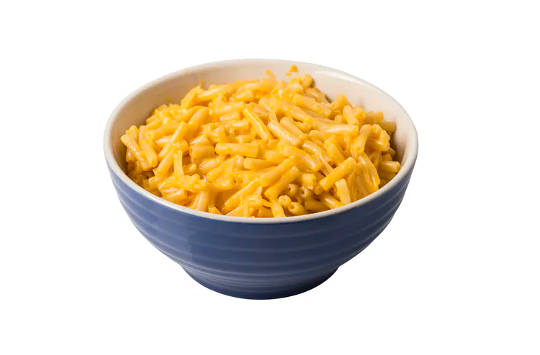
In January 2015, food sales at restaurants overtook those at grocery stores for the first time. Most thought this marked a permanent shift in the American meal.
How long can someone be infected with the virus unknowingly? It’s a question hundreds of thousands of people are asking themselves as they enter official or self-imposed quarantines or take contact tracing upon themselves. And the answer is now more unsettled than it was two weeks ago.
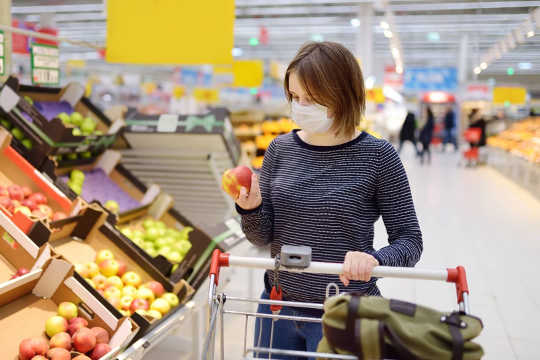 Social distancing and wearing a mask prevent you from spreading COVID-19, but they also protect you from getting it, two experts explain in a new video discussion of coronavirus transmission.
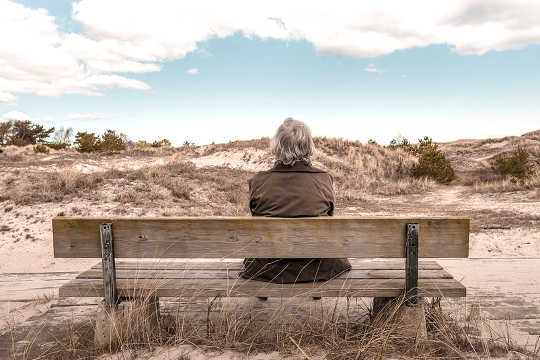
Let’s take a moment to discuss several misconceptions about menopause, aka “the change of life.” In Angeles Arrien’s book The Second Half of Life, she states, “Unfortunately, our culture’s current perspective is that the second half of life offers only decline, disease, despair, and death.”
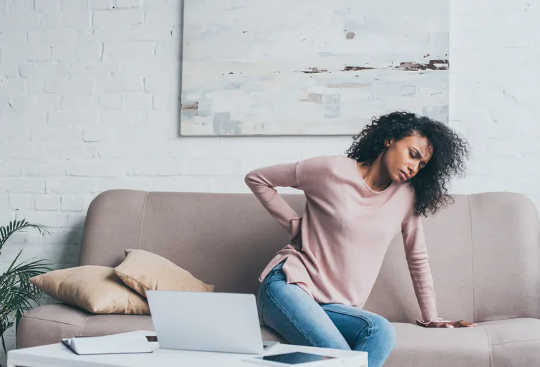
Apart from reduced social interaction and the domestic juggling involved, homes are not usually designed to replicate a workplace environment when it comes to employees’ health.

For some individuals with COVID-19, recovering from the acute phase of the infection is only the beginning, John Swartzberg warns.
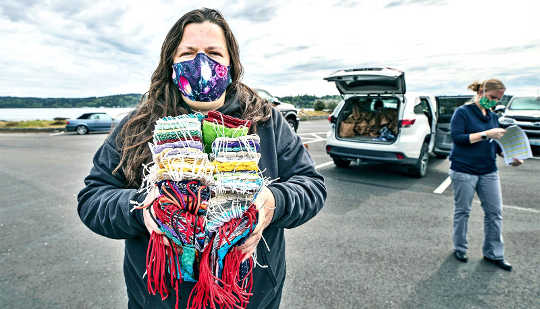
While research has shown masks are effective in reducing the spread of COVID-19, not all masks or mask materials are equally effective, according to new research.
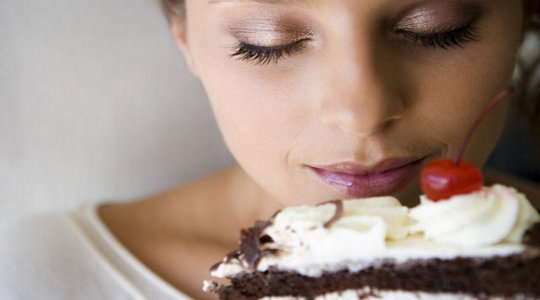
Food cravings often stem from basic unmet needs for fun, excitement, or love -- issues most would consider "normal" and within our power to self-heal. Some people's food cravings remain constant; for example, they always crave ice cream. Other people go through "food kicks" in different weeks.
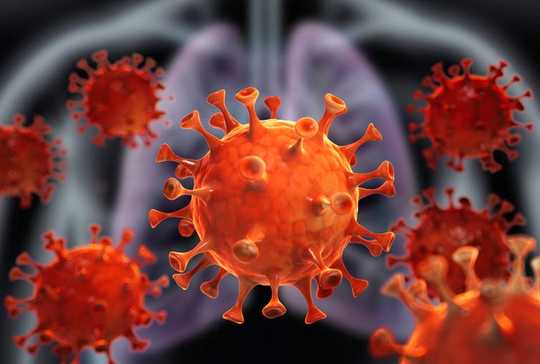
As the number of people infected with the SARS-CoV-2 coronavirus grows, so does our knowledge of how it spreads, how it affects the body, and the range of symptoms it causes.

How you feel about yourself may actually affect the way your body defends itself against the various stresses and infective organisms that surround it. A high level of self-esteem, or a stronger sense of self, can lead to more vigorous immune response.
What is known about which treatments work, and which don’t, for the new coronavirus infection.
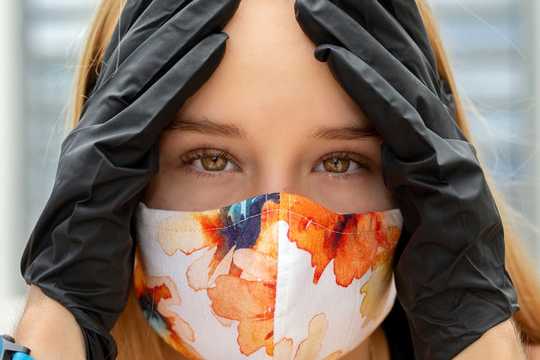
We’re all exhausted and pushed to the limit by months of social distancing, and the recent news that cases are climbing in many states is especially scary.
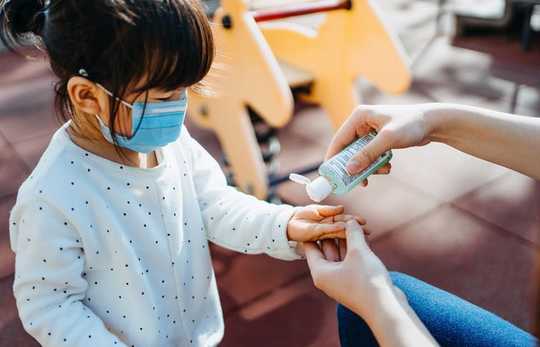
The increase of COVID-19 cases across the country calls for quick action. Sure, you and your family are exhausted from distancing, you miss your loved ones and you want to get back to your support groups or church.
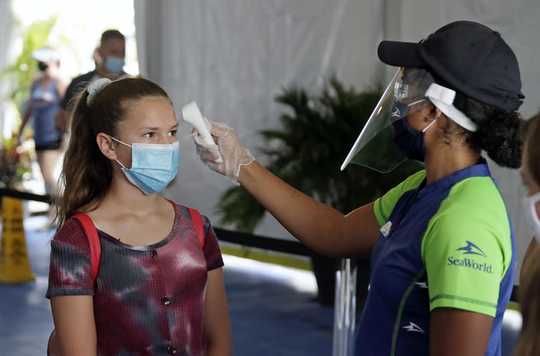
Screening for symptoms of COVID-19 and self-quarantine are good at preventing sick people from spreading the coronavirus. But more and more evidence is suggesting that people without symptoms are spreading the virus too.
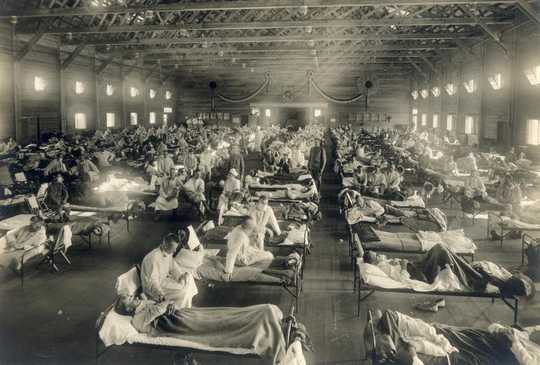
The influenza pandemic became the most severe pandemic in recent history, infecting about one-third of the world’s population between 1918 and 1920 and killing between 50 and 100 million people. It was caused by an H1N1 virus that originated in birds and mutated to infect humans.
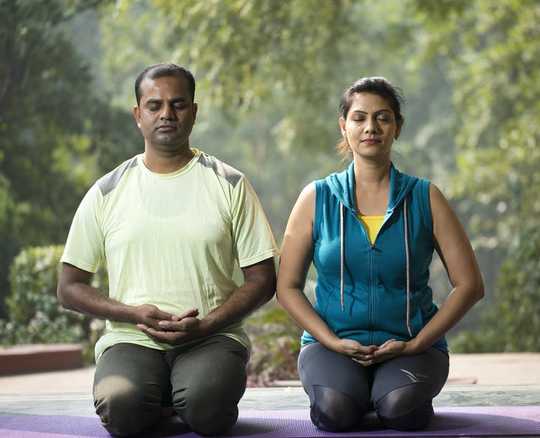
Inhale through your nose and exhale through your mouth. It’s not just something you do in yoga class – breathing this way actually provides a powerful medical benefit that can help the body fight viral infections.

We live in a world filled with miracles, and yet we take them for granted. Why do we, as adults, forget to see the miracles of our world? When we believe in miracles, we then create them. We all are miracle workers. We each have the ability to change our lives with nothing more than...
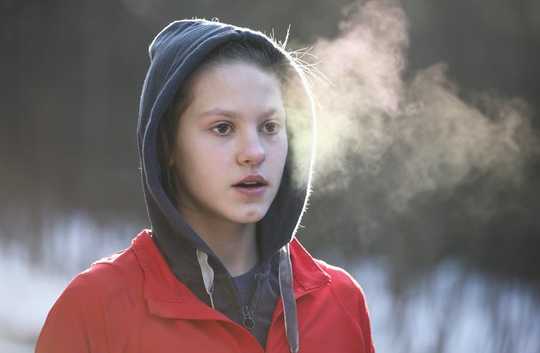
I am a scientist that studies infectious diseases and I specialize in severe respiratory infections, but I also serve as a member of my church’s safety team.
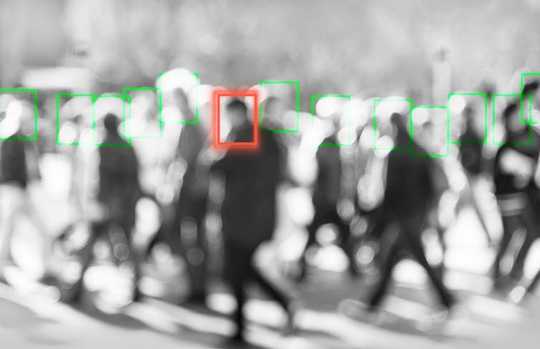
Since the start of the coronavirus pandemic, use of the term “herd immunity” has spread almost as fast as the virus. But its use is fraught with misconceptions.
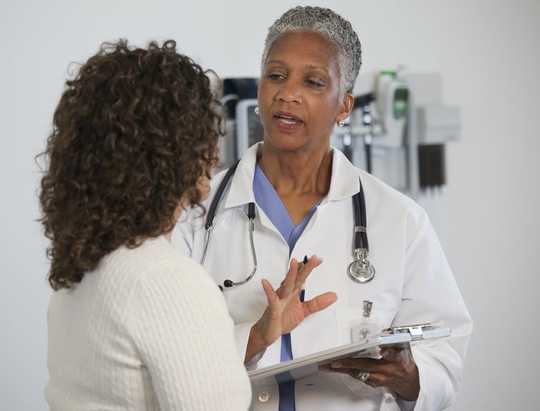
What happens when a pandemic brings in-person visits with your doctor to a grinding halt? While the world grappled with managing COVID-19, millions found routine appointments
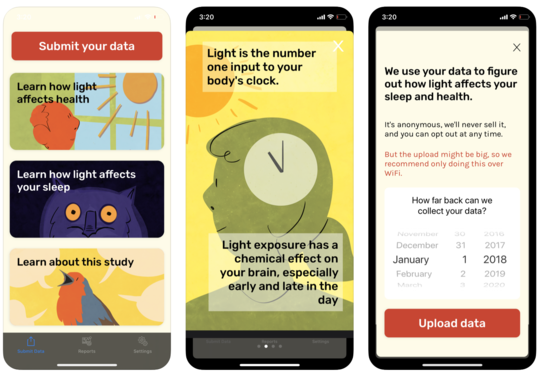
A free app called Social Rhythms could help users understand their own sleep rhythms and shed light on how their biological clock is responding to lockdowns, researchers say.
The journey of Odysseus in Homer's 'The Odyssey' offers profound insights into healing...
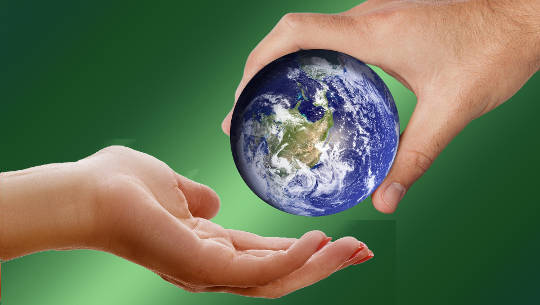
Fostering a legacy of joy empowers individuals to inspire authentic self-expression in...
Junk emotions like anxiety, anger, and jealousy can hinder personal well-being and...

Awareness meditation shifts focus from traditional breath techniques to observing...
The exploration of precognitive dreaming reveals a profound interconnectedness within...
Negative moods can linger and affect overall well-being, but identifying their triggers...

A rare celestial formation is quietly reshaping the foundations of everything we know —...
You don't need a week in silence at a mountain retreat to feel spiritually alive again....