







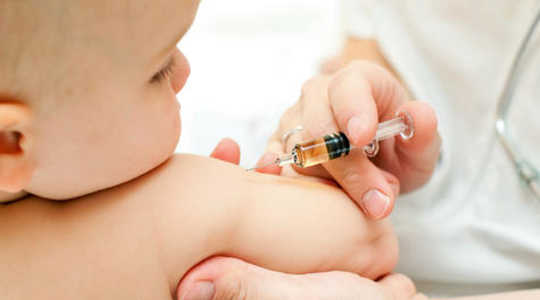
The rise in antibiotic use among infants raises concerns about antibiotic resistance and its implications for child health. With two-thirds of children receiving antibiotics by age one, understanding when they are necessary and the potential risks involved is crucial for parents and caregivers. This article explores the benefits and drawbacks of antibiotics in young children.
In This Article
- What are the concerns about antibiotic use in infants?
- What mechanisms contribute to antibiotic resistance?
- How can parents differentiate between bacterial and viral infections?
- What practical steps can be taken to minimize antibiotic use?
- What are the long-term risks associated with antibiotic use?
Two-thirds of children have already received antibiotics by the time they are one year old. Antibiotic use is increasing, which directly affects the development of antibiotic resistance. This is now at crisis levels, meaning some infections are becoming untreatable.
So if you have a ten-month-old baby, what do you need to know? What do you need to ask your GP about the benefits and risks of antibiotics?
Many doctors think parents come to them seeking a prescription, but parents increasingly want to have the pros and cons explained so they can share in the decision-making about whether or not their child needs antibiotics.
The pros
Antibiotics can be life-saving. Before antibiotics were developed and first used in the 1940s, the infant death rate in the developed world was about one in ten and the most common cause was infection. This has dramatically reduced over the past 70 years. While not all of this is because of antibiotics (sanitation and immunisation have also been important), the ability to treat infections effectively has saved millions of lives.
Some infections need antibiotics because they are caused by bacteria and the infection will only get worse if not treated. Examples of serious infections that need antibiotics under one year of age are meningitis, pneumonia, bloodstream infection and urinary infection.
The problem is, it is often difficult to differentiate bacterial from viral infection in young babies, especially those under three months of age, and to identify those at risk of serious bacterial infection. In those situations antibiotics are often started empirically to be safe, then stopped if no bacterial infection is found.
Antibiotics are also used in children to prevent the spread of some bacterial infections, such as whooping cough. However, most serious bacterial infections are not transmitted from one person having the infection to another person in close contact. This includes meningitis, urinary infection and even pneumonia.
Other infections are caused by viruses, so antibiotics are ineffective for treatment or to prevent spread. Under the age of one year, common viral infections include most respiratory infections – for example, ear, throat and chest infections. Treating viral infections with antibiotics results in none of the benefits and only the disadvantages.
The cons
In addition to minor disadvantages such as inconvenience and cost, the major disadvantages lie in the risks of antibiotic use. These can be divided into short, medium and long-term risks.
The short-term risks are immediate side-effects such as diarrhoea, vomiting, rash and, more seriously, anaphylaxis (severe allergy). Most of these will resolve themselves without treatment, but some can be life-threatening.
The medium-term risks are the development or acquiring of resistant organisms. Antibiotic overuse has been associated with increases in MRSA, a resistant bacteria that commonly causes skin infections and occasionally more serious infections such as bone or bloodstream infections in children.
The recent concern has been resistant gastrointestinal bacteria because these can cause rapid and severe infections and there is no reliable way of removing them from the gut. We are running out of antibiotics to treat these types of infections.
Many of the major drug companies are focusing their research and development on medicines other than antibiotics, so there are few on the horizon. To try to treat very resistant bacteria, a few old antibiotics are being used again, some of which have significant side-effects such as damage to the kidneys.
Resistant organisms are also a long-term risk because they can be carried by children for a very long time and be spread within the family. However, other potential long-term risks for child health are only just being realised.
Over the last couple of years there has been great interest in the entirety of bacteria living in the gut known as the microbiome.
Antibiotics have been shown to affect the childhood microbiome. Similar changes have been found in the microbiome of children with allergy and obesity – two of the biggest childhood issues in developed countries. While this link is still being researched, this is another reason to limit our antibiotic use.
There are several ways to cut down on antibiotics in children under the age of one: not using antibiotics for viral infections, delaying starting antibiotics for some infections such as ear infections to see if they get better on their own, and using a short course of antibiotics where it has been shown to be safe instead of traditional longer courses.
So how do you tell the difference between a bacterial and a viral infection in your ten-month-old child?
While some symptoms such as a runny nose make a virus more likely, parents should not feel they are being asked to tell the difference. They should seek advice from their local doctor, but, importantly, have a conversation about whether their child needs antibiotics.
Antibiotics are a precious resource. To ensure we preserve them for when they are really needed, both now and for future generations, all of us are responsible for asking the question: “Does my child really need antibiotics?”
About The Author
 Penelope Bryant, Consultant in Paediatric Infectious Diseases and General Paediatrics, Murdoch Childrens Research Institute
This article was originally published on The Conversation. Read the original article.
Further Reading
-
Missing Microbes: How the Overuse of Antibiotics Is Fueling Our Modern Plagues
Microbiologist Martin Blaser spent decades studying the bacterial communities that live inside us and arrived at a troubling conclusion: antibiotic use in early childhood is quietly dismantling an ecosystem that took hundreds of thousands of years to build. His research draws a direct line between disrupted childhood microbiomes and rising rates of asthma, obesity, and allergy — the same long-term risks the article flags as still being understood. This is the most comprehensive account available of why limiting antibiotic use in children matters far beyond treating the immediate infection.
Amazon: https://www.amazon.com/exec/obidos/ASIN/1250069270/innerselfcom
-
The Antibiotic Paradox: How the Misuse of Antibiotics Destroys Their Curative Powers
Stuart Levy was one of the earliest scientists to sound the alarm on antibiotic resistance, and this book remains a definitive account of how overuse turned wonder drugs into a dwindling resource. He explains how every unnecessary prescription — including antibiotics given for viral infections — accelerates the selection of resistant organisms that then spread through families and communities. For parents trying to understand why the article's question, "does my child really need antibiotics?", carries such weight, this book provides the scientific grounding.
Amazon: https://www.amazon.com/exec/obidos/ASIN/0738204404/innerselfcom
-
Superbug: The Fatal Menace of MRSA
Journalist Maryn McKenna follows MRSA — the resistant skin bacterium the article specifically names — from its origins in hospitals into schools, gyms, and family homes, telling the story through the people it has devastated and the researchers racing to understand it. Her reporting makes vivid what the article states in clinical terms: that resistant organisms spread within families, that pharmaceutical pipelines are thin, and that the crisis of untreatable infection is already here. It is a sobering companion to any discussion of antibiotic stewardship in children.
Amazon: https://www.amazon.com/exec/obidos/ASIN/1416557288/innerselfcom
Article Recap
Antibiotic use in infants must be carefully considered to prevent resistance and protect health. Parents should engage in discussions with healthcare providers about the necessity of antibiotics for their children.
#InnerSelfcom #AntibioticResistance #ChildHealth #Microbiome #InfectionControl #ViralInfections