
Did We Really Stop Caring?
When the world’s problems become overwhelming, shutting down can seem easier than feeling the pain. Not caring may actually be a form of self-protection. However, whether...

Toxic stress in childhood can lead to long-term health problems, but stability offers powerful protection. Research shows that predictable routines, supportive caregivers, and safe environments foster resilience and lifelong well-being. By addressing toxic stress and prioritizing childhood stability, we can safeguard mental and physical health for generations. Learn why stability matters and how small changes today can create healthier futures.

Life often asks us to choose: do we go with the flow or resist the flow? Each decision shapes our path, either aligning with the current or pushing against it. True empowerment isn’t about always surrendering or always resisting, but knowing which moment calls for which. This article explores the wisdom of balance, offering clarity on when to drift and when to steer your own course.

The global 4 day workweek experiment has shown that shorter hours can transform workplaces. Employees report less stress, higher job satisfaction, and better health, while employers benefit from improved productivity and retention. This movement challenges outdated notions of work and redefines success. Could fewer hours actually mean greater results? The evidence suggests the 4 day workweek is not just possible—it’s the future.

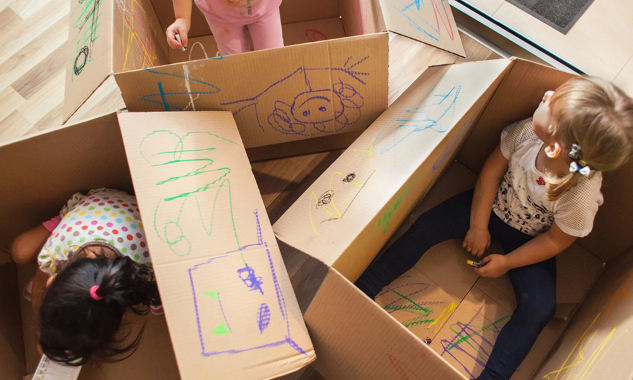
Many parents unknowingly believe myths about child creativity that actually hold kids back. From over-scheduling to relying too heavily on screens, these habits can stifle imagination instead of nurturing it. By rethinking everyday choices and debunking parenting myths, families can create environments where child creativity thrives, confidence grows, and imagination becomes an empowering tool for lifelong learning and resilience.

The “friendship recession” is one of those terms that at first sounds like a clever throwaway line, but the more you look at it, the more you realize it explains so much of our current loneliness crisis. It’s not just about having fewer friends. It’s about the loss of connection that once grounded us in community, gave us resilience, and kept us sane in a world that seems increasingly disjointed.

Failure is not the end, it’s often the beginning of something greater. By learning from failure, we open the door to resilience, wisdom, and authentic success. Every setback contains a lesson that guides us forward. When we shift our mindset, mistakes become milestones. Learning from failure is the true path to success, and it can empower you to embrace growth with confidence and clarity.

Boundaries... barriers... walls... All these words have similar meanings. They indicate a place where one must stop and go no further. In some cases boundaries and walls are wonderful. But too much of a "good thing" can become its opposite... bad.


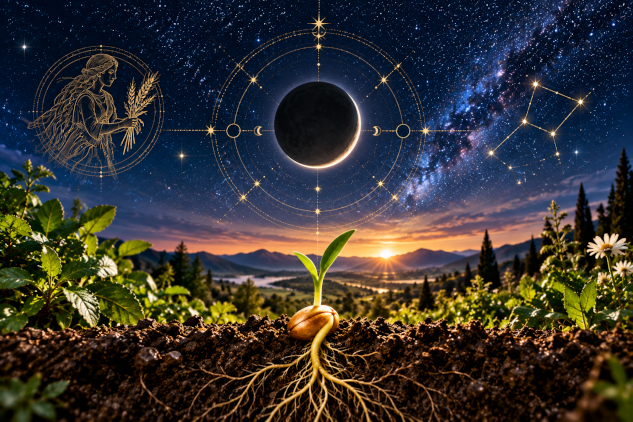
This week’s New Moon in Virgo challenges order with Uranus and Sedna sparking sudden change. Emotions run high, but healing and renewal are possible as eclipse season begins.

Some mornings, grief feels like waking into weather—heavy air, a sky that can’t decide whether to weep or hold it in. You make coffee, your hands remember the ritual, and yet something in the room is missing. If you’re honest, the question isn’t “How do I stop this?” It’s “How do I live with this and still feel like myself?” That’s where grief recovery begins: not with erasing the love, but with graceful grieving that lets love keep its place.

Anger can derail relationships, work, and health if left unchecked. With practical anger control techniques, you can learn to manage anger before it manages you. From quick calming exercises to mindset shifts, this guide helps you transform frustration into constructive energy, so you stay grounded and in control—even when life tries to push your buttons.

Somewhere along the way, you may have noticed a shift. Science, once a beacon of wonder and progress, now finds itself under a shadow of doubt. Friends share skeptical posts on social media, headlines scream about “fake experts,” and even you might have found yourself wondering, can I really trust what I’m being told? That hesitation, that unease, is more common than you think. But it doesn’t have to be the end of trust. It can be the beginning of a healthier relationship with knowledge.

An attitude shift isn’t just feel-good fluff—it’s a practical, powerful way to reset your inner compass. This article shows how even small mindset changes can impact your relationships, health, and resilience. With grounded insight and real-life perspective, we’ll explore how to turn your inner critic into your inner coach using tools anyone can apply—right now.

There’s a comforting myth about aging: that it’s perfectly fine to slow down, sink into the couch, and let the television take the wheel. After all, you’ve earned it, right? The trouble is, that “earned rest” might be quietly chiseling away at your brain’s sharpness faster than time itself. While TV has its charms (and plenty of reruns to prove it), it’s about as stimulating to the brain as a lukewarm bowl of oatmeal. Meanwhile, the very devices many older folks eye with suspicion, smartphones, computers, tablets, might be the real tools to keep the lights on upstairs.

We all have both light and shadow within us. Whether we grow our “angel wings” or our “devil horns” depends on the choices we make in each moment. By choosing love over anger and nurturing inner compassion, we can shift not just our own lives but the collective energy of the world. Which will you choose to feed today?

When Jupiter aligns with Sirius, the brightest star in our sky, a rare fusion of cosmic energies is unleashed. Sirius, known as the Spiritual Sun, amplifies Jupiter’s expansive power, creating a gateway for spiritual awakening, personal empowerment, and success. This alignment invites you to step into leadership, manifest your dreams, and embrace a higher vision for your life and the world.

We live in a society obsessed with outcomes. It's embedded in our psyches. The familiar concept repeated by CEOs and Hollywood movie characters alike has been ingrained in us: "Focus on the results. Nothing else matters.

Dating apps might feel like games, but the psychological consequences are real. From ghosting to breadcrumbing, the emotional consequences of dating app behavior often leave lasting scars. This article breaks down the most damaging techniques, why they hurt so deeply, and how our swipe culture is reshaping human connection. Let’s stop pretending these apps are harmless.

Worry loses its grip when we cultivate specific opponent forces taught in Buddhist psychology. By reflecting on impermanence, widening our circle of concern beyond self, and questioning the solidness of me, we create a calmer, kinder mind ready to meet life as it is.

Ever feel like you're studying hard but nothing sticks? You read the same sentence three times, highlight every paragraph, maybe even nod in agreement, only to forget it all the next day. Here's a thought: What if the key to learning isn't adding more information, but interrupting the flow? Breaking your internal monologue and challenging your memory in real time might be the most powerful upgrade to your learning ability you've never considered.

Screen time isn’t the villain we sometimes make it out to be. Nor is it a digital babysitter we should blindly trust. Somewhere between fear and freedom is a sweet spot, a space where your child can learn, grow, and even flourish with the right kind of screen time. The key? You. Your presence, your nudges, and your choices shape that relationship.

Positive parenting and fear-free discipline raise emotionally intelligent and secure children. Instead of punishment, the focus shifts to connection, respect, and empathy. By healing our own parenting triggers and embracing neuroscience-backed tools, we raise children who trust rather than fear, and who carry that trust into the world.