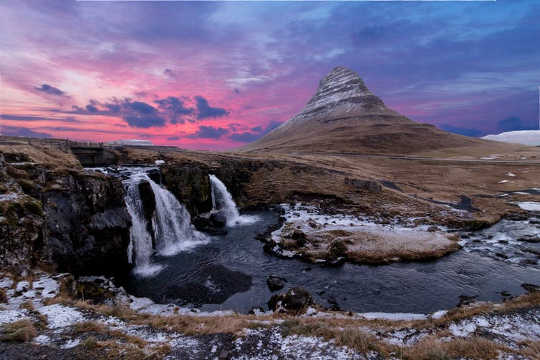
Exploring Iceland's Unique Open Prisons
Iceland's open prisons, Kvíabryggja and another, offer a unique perspective on rehabilitation. With minimal security and a focus on communal living, these facilities prioritize...

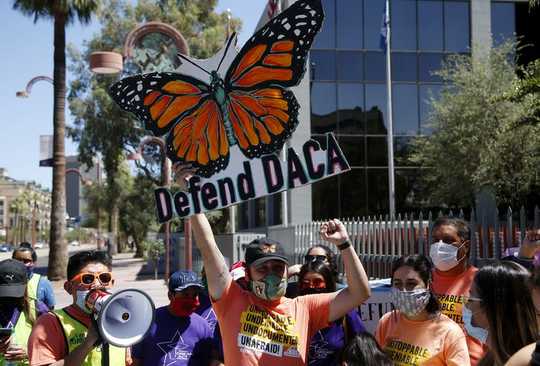
In a 5-to-4 decision that came as a major blow to President Trump, the justices ruled that the administration could not proceed with plans to dismantle Deferred Action for Childhood Arrivals, or DACA.
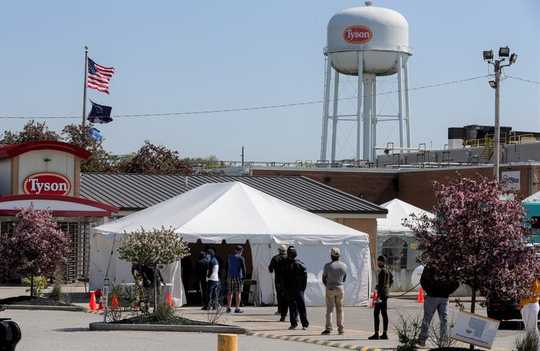
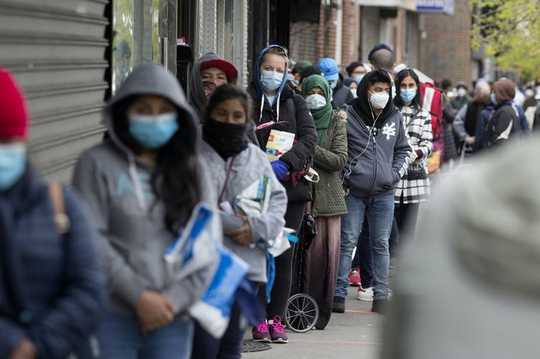
Rural areas seemed immune as the coronavirus spread through cities earlier this year. Few rural cases were reported, and attention focused on the surge of illnesses and deaths in the big metro areas.

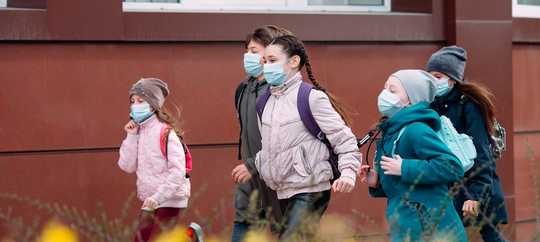
A new analysis stresses the need for caution when when reopening America’s schools.

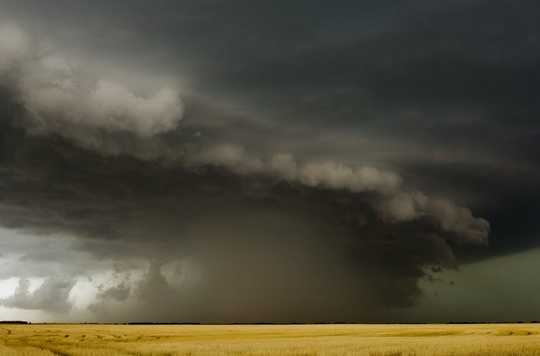
The U.S. recently has experienced two rarer events: organized lines of thunderstorms with widespread damaging winds, known as derechos.

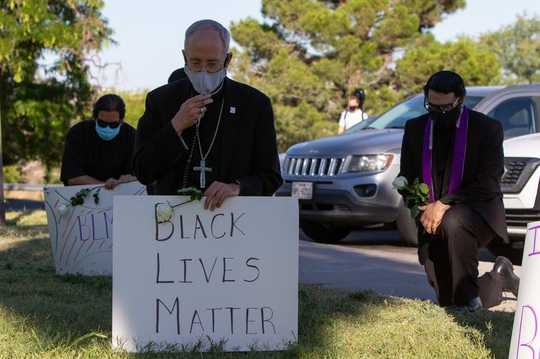
Two days after the Catholic bishop of El Paso, Mark Seitz, knelt with a dozen other priests in a silent prayer for George Floyd holding a “Black Lives Matter” sign, he received a phone call from Pope Francis.

As a sociolinguist who studies and writes about language and discrimination, I was also struck by the name given to Cooper in several headlines: “Central Park Karen.” On Twitter, the birder’s sister also referred to her as a “Karen.”

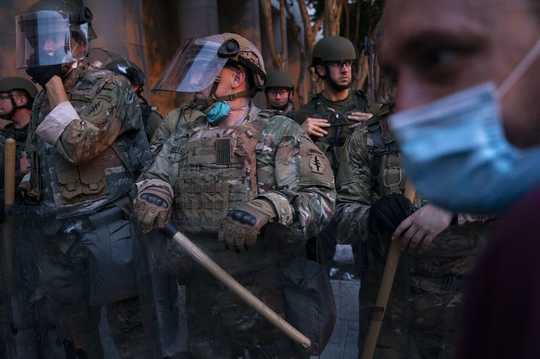
President Donald Trump has announced he was considering sending the federal military into the streets of numerous American cities – above and beyond those sent to Washington, D.C.

When we watch TV, we are in the alpha level, a highly programmable state of awareness. For too many of us, television has become a companion who is always there, doesn't argue, and is full of entertainment. If we are to take seriously the many ways consciousness influences reality then we cannot ignore the impact of the media.

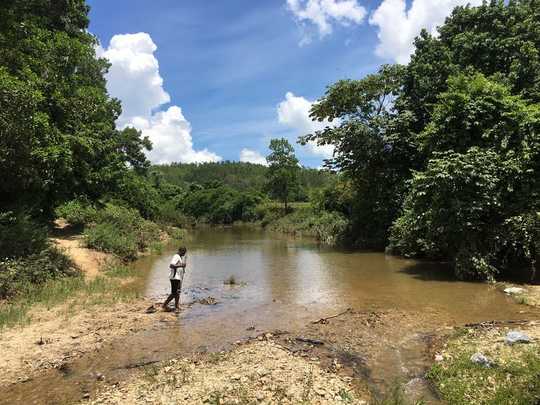
In a recently published study, we show that Cuban rivers are cleaner than the mighty Mississippi. Why?

Calling upon the armed forces to restore order is rare in a democracy. Militaries are trained for warfare, not policing, and their use to quell protests politicizes the armed forces.

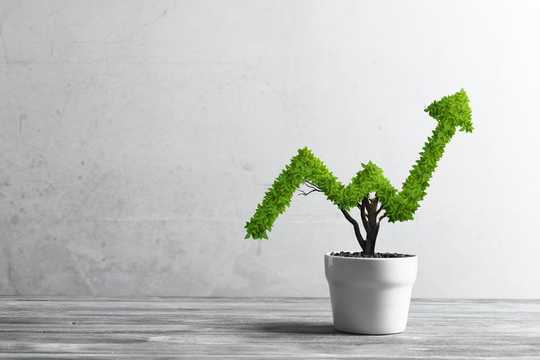
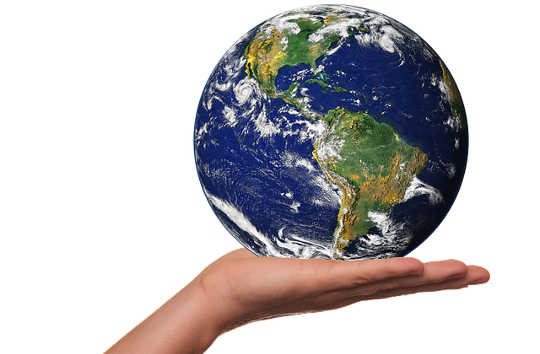
Green growth has emerged as the dominant narrative for tackling contemporary environmental problems.

The problem of police brutality against black Americans isn’t caused by “a few bad apples” on police forces, a new paper argues.

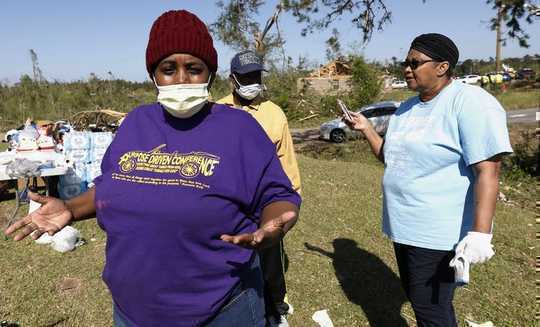
The tornadoes that swept across the Southeast this spring were a warning to communities nationwide:

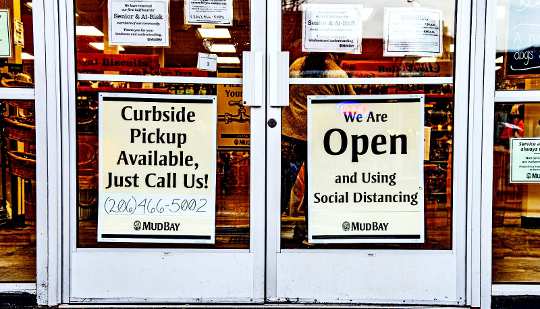
Retail isn’t going back to normal, says a professor of marketing and psychological science.

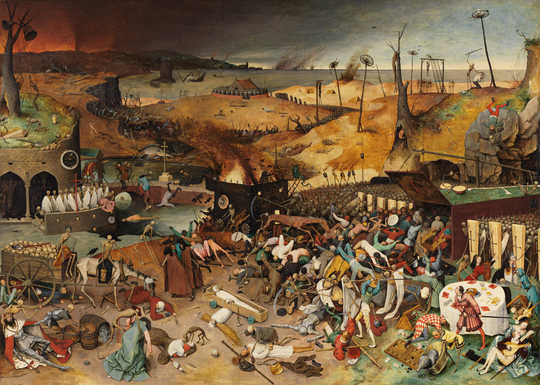
In June 1348, people in England began reporting mysterious symptoms. They started off as mild and vague: headaches, aches, and nausea.

Summer temperatures in Chicago normally peak in the low 80s, but in mid-July 1995 they topped 100 F with excessive humidity for three days straight.

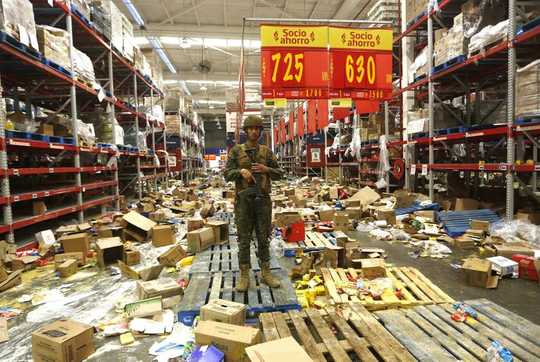
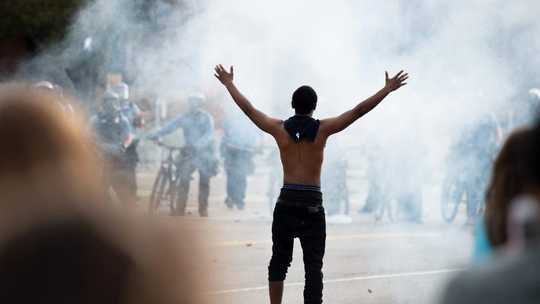
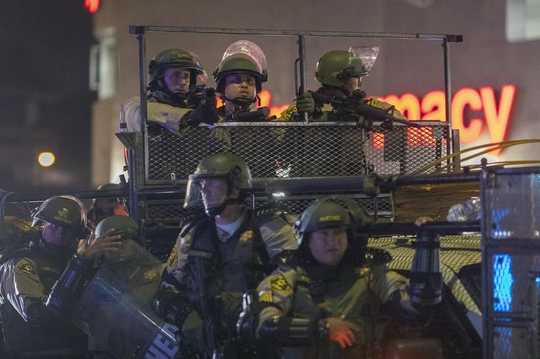
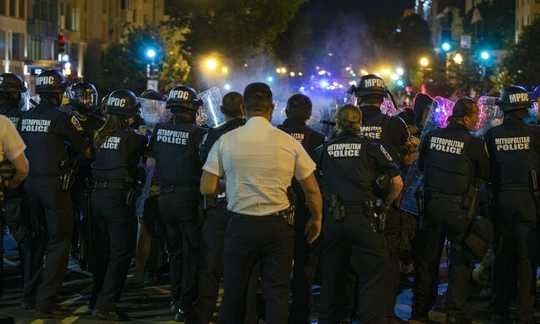
The unrest sparked by the death of George Floyd after being pinned to the ground by the knee of a Minneapolis police officer has left parts of U.S. cities looking like a battle zone.

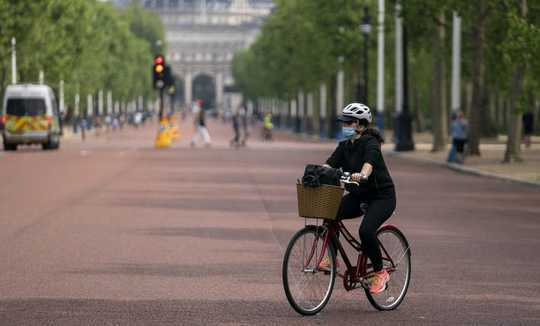
COVID-19 has radically changed our travel habits in just a matter of weeks. Walking and cycling are up, as people enjoy their daily exercise or take essential journeys they might otherwise have made by public transport.

Long after the COVID-19 health emergency ends, many Americans will still suffer from the long tail of the pandemic’s economic devastation.

Decades of research on police shootings and brutality reveal that officers with a history of shooting civilians, for example, are much more likely to do so in the future compared to other officers.

Our sense of ourselves, our beliefs about our SELF, are so ingrained that we rarely stop to examine them. Even if we do take the time to explore our beliefs about ourselves, many of the most basic assumptions and values that underlie our experience are not visible to us; they are deeply embedded in the historical and cultural belief systems of our families, communities and nations.