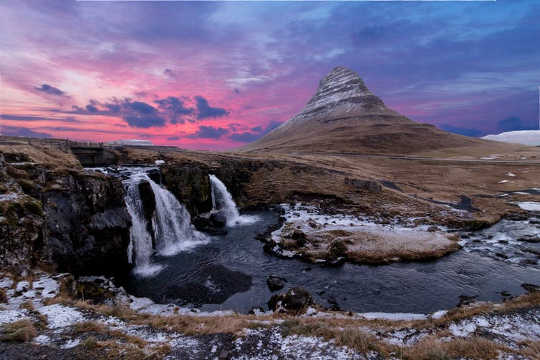
Exploring Iceland's Unique Open Prisons
Iceland's open prisons, Kvíabryggja and another, offer a unique perspective on rehabilitation. With minimal security and a focus on communal living, these facilities prioritize...

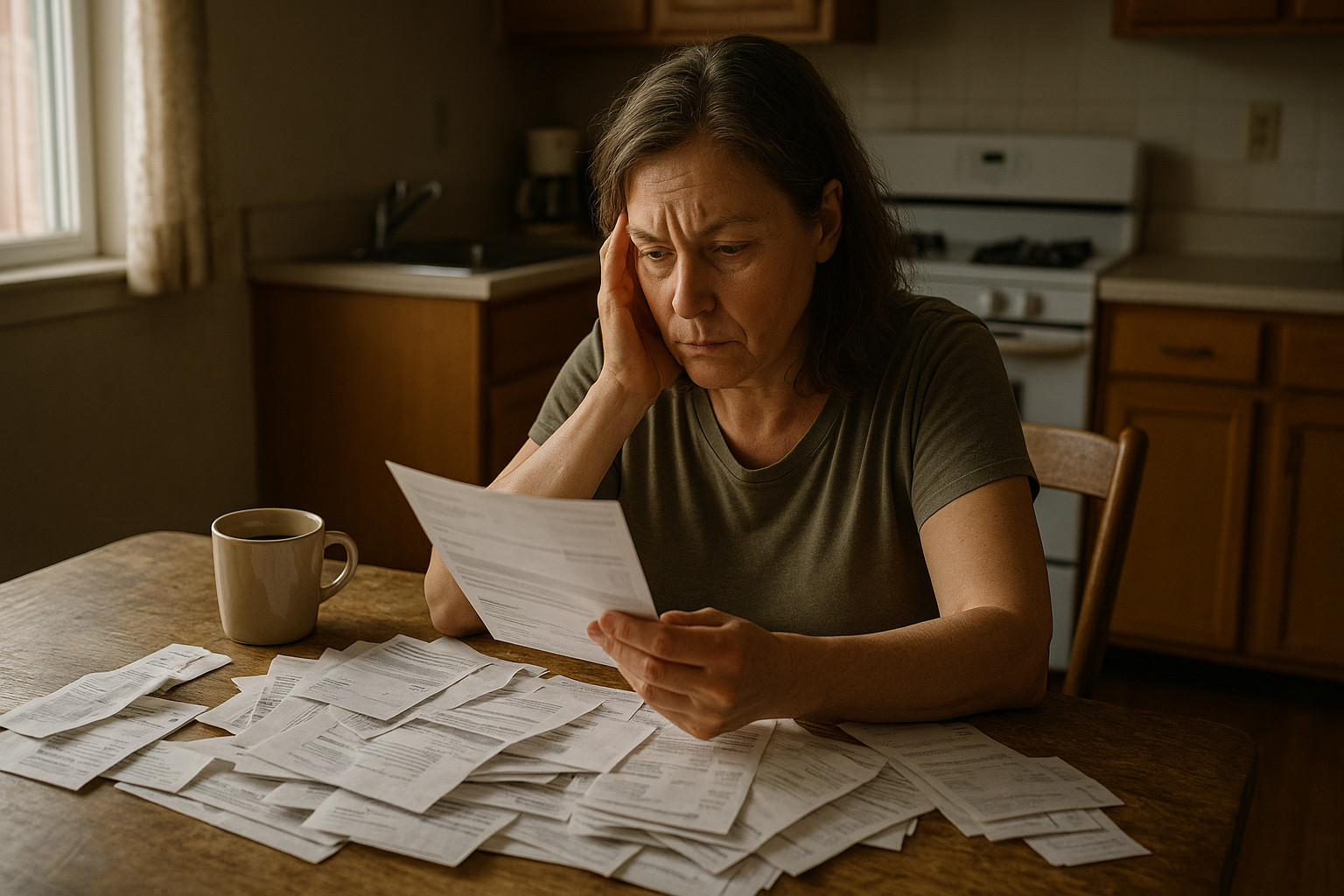
The immediate concerns of the coronavirus are clear: an unprecedented health crisis and economic devastation.

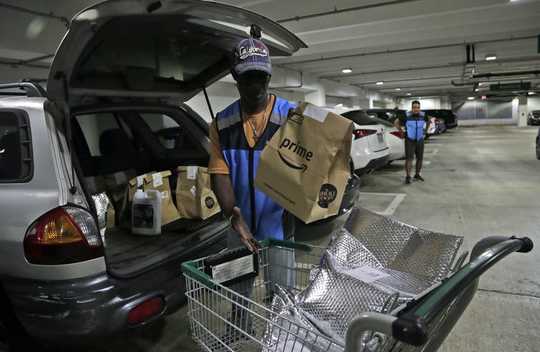
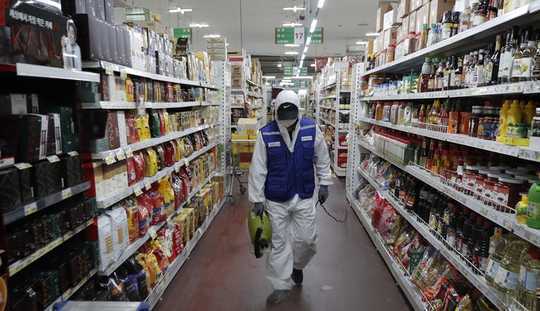
A series of recent protests by the workers preparing and delivering our essential foods and other goods highlights a key risk to our ability to combat the coronavirus.

From New York to Moscow, Johannesburg to Buenos Aires, the novel coronavirus continues its global journey. On March 30, almost three months after China announced the discovery of COVID-19, the disease associated with the coronavirus, more than 780,000 people have been infected and at least 37,000 have died.

This isn’t a normal period of disruption, which is usually caused by failures in supply such as road accidents or industrial action. In this case it is the lack of demand that is the problem.

Science warns us that the 2020s will be humanity’s last opportunity to save itself from a climate catastrophe.

Where will we be in six months, a year, ten years from now? I lie awake at night wondering what the future holds for my loved ones.

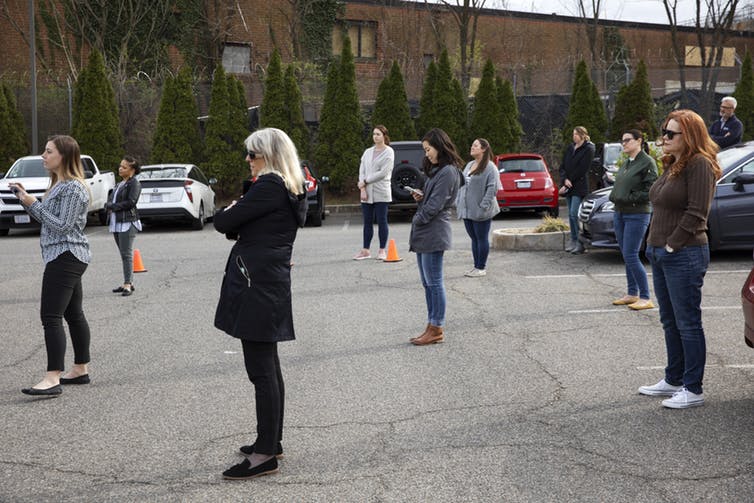
As the world grapples with the coronavirus outbreak, “social distancing” has become a buzzword of these strange times.

How do you respond to a crisis? It’s obvious that the response to the COVID-19 pandemic has been dramatically different to anything provoked by repeated scientific warnings about climate change.

At its core, the United States Declaration of Independence argues that all human beings have “unalienable rights.” These include right to “Life, Liberty and the pursuit of Happiness.”

Years ago, during a summer break from college, I was in the offices of a public interest advocate, a grizzled veteran of the fight for social justice.

The COVID-19 outbreak appears headed for the U.S., and the Centers for Disease Control and Prevention are urging Americans to prepare now, such as by stocking up on food and prescription drugs.

Plagues functioned as a setup for an even more crucial theme in ancient myth: a leader’s intelligence.

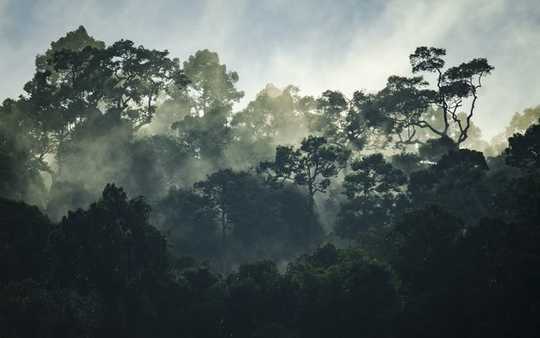
Tropical forests matter to each and every one of us. They suck colossal quantities of carbon out of the atmosphere, providing a crucial brake on the rate of climate change.

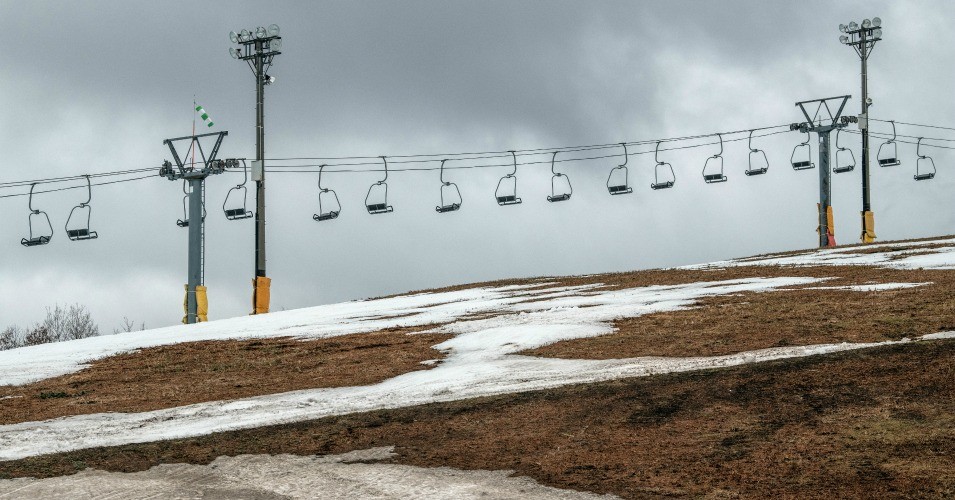
The world's top meteorological experts issued the warning as cities and countries around the world reported record-breaking warm winters.

Luxembourg recently became the first country in the world to make all public transport free.

Slow internet connections or limited access from homes in rural areas can contribute to students falling behind academically, according to a new study

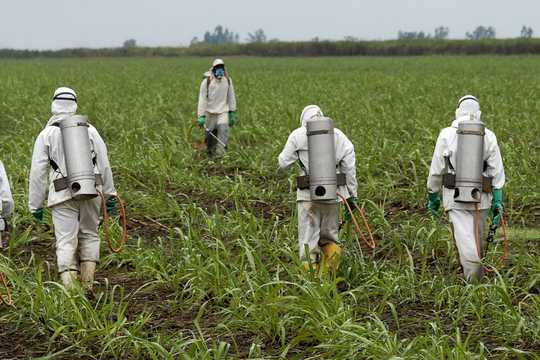
Roundup can trigger loss of biodiversity, making ecosystems more vulnerable to pollution and climate change, researchers report.

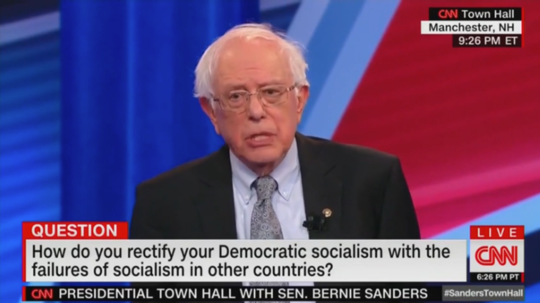
Bernie Sanders has emerged in the race for the presidential nomination. Yet even some left-leaning pundits and publications are concerned about what they see as Sanders’ potential lack of electability.

Price transparency is the wrong goal for the free-market health care structure we have in the U.S. Instead, consumers need to know not so much the price, but the costs of things.

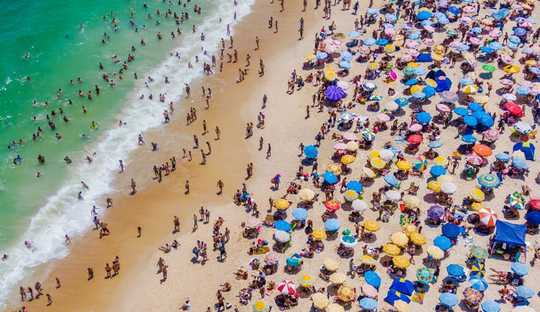
Up to half of the world’s sandy beaches are at risk of disappearing by the end of this century if no action is taken to limit greenhouse gas emissions.

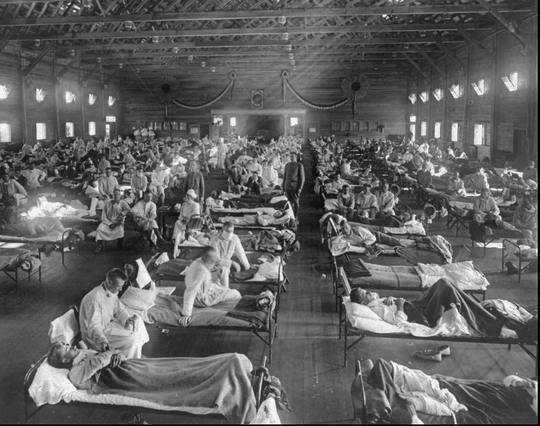
2018 marked the 100th anniversary of the great influenza pandemic of 1918. Between 50 and 100 million people are thought to have died, representing as much as 5 percent of the world’s population. Half a billion people were infected.