













Music Videos
Thread By Thread – Gloria Travers & The North Street Band
When love begins to unravel, do you walk away or pick up the thread? “Thread By...

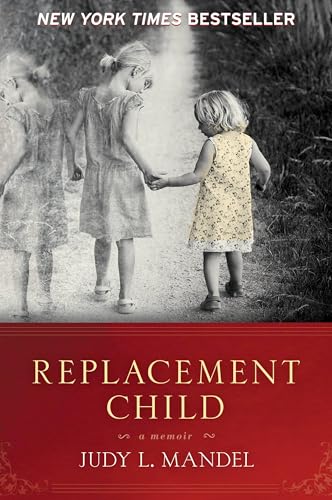
Growing up in the shadow of a tragedy you never witnessed creates a unique kind of loneliness. For those born after the loss of a sibling, especially one who died young, the experience of being raised by grieving parents shapes identity, relationships, and emotional development in profound and often unexamined ways. This deeply personal memoir explores the complex psychological territory of being conceived to fill an unfillable void, offering readers an intimate window into how unprocessed grief ripples through families across generations.
The narrative centers on a devastating plane crash in 1952 that killed a seven-year-old girl and severely burned her younger sister. Born two years after this tragedy, a daughter enters a household still consumed by mourning, anger, and unspoken trauma. What unfolds is a masterful examination of how parental grief can inadvertently burden children with impossible expectations while simultaneously making them feel invisible. The emotional archaeology undertaken here reveals how families cope—or fail to cope—with catastrophic loss, and how children born into such circumstances often spend decades trying to understand their purpose and worth.
Readers seeking to understand the dynamics of complicated family relationships will find extraordinary insight in these pages. The exploration goes far beyond simple storytelling to illuminate the psychological phenomenon of replacement children—those conceived to ease the pain of losing a previous child. These children often grow up feeling they can never quite measure up to an idealized memory, while simultaneously carrying the weight of their parents' healing on their small shoulders. The emotional intelligence applied to dissecting these dynamics offers validation for anyone who has felt like they were never quite enough, or who has struggled to define themselves apart from family expectations.
Read more ▼
When love begins to unravel, do you walk away or pick up the thread? “Thread By...

What if winning didn’t require someone else to lose? “Winners Together” imagines a world...

Every morning is another chance to choose what stays with us and what we finally leave...

How much of yesterday are you still carrying today?

In a world of swipes, matches, texts and disappearing conversations, sometimes the most...

When the world’s problems become overwhelming, shutting down can seem easier than...

From September 9 to October 24, 2026, Venus moves out of the harmonious, peace-seeking...

A chatbot told someone it loved them, and that person felt genuinely comforted. That...

Accepting oneself is crucial for navigating change without fear. This article explores...

Despite advancements in technology and education leading to higher IQ scores in...