





Music Videos
Thread By Thread – Gloria Travers & The North Street Band
When love begins to unravel, do you walk away or pick up the thread? “Thread By...

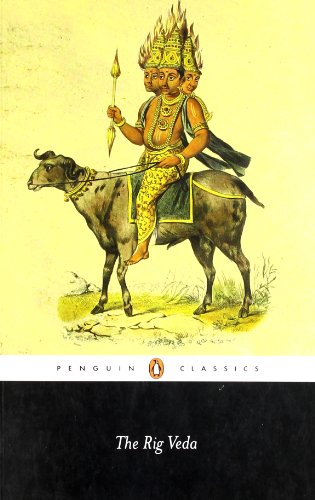
Journey back over three thousand years to encounter some of humanity's earliest and most profound spiritual poetry. This carefully selected translation and commentary presents 108 hymns from ancient India's foundational sacred text, offering modern readers accessible entry into a worldview that continues to shape spiritual thought across the globe. These verses, composed between 1500 and 1000 BCE, represent humanity's first recorded attempts to articulate the relationship between the human and the divine, the visible and the invisible, the mortal and the eternal.
At the heart of this collection lies a radical openness to mystery. Rather than providing rigid doctrines or fixed answers, these ancient hymns embrace paradox, question certainty, and celebrate the multiplicity of truth. Readers will discover creation myths that dare to suggest even the gods may not know the universe's origins, philosophical speculations that wonder whether existence emerged from non-existence, and meditations on consciousness that rival contemporary inquiries into the nature of mind and reality. This intellectual fearlessness offers profound permission for modern seekers to honor their own questions and uncertainties as sacred rather than as failings of faith.
The hymns address a pantheon of deities that personify natural forces and abstract concepts alike. Agni, the god of fire, represents transformation and the sacred intermediary between human and divine realms. Indra embodies strength, courage, and the warrior spirit needed to overcome obstacles both external and internal. Soma, the mysterious ritual drink, symbolizes ecstasy, insight, and altered states of consciousness. Ushas, the dawn goddess, offers daily renewal and hope. Through encounters with these divine personalities, readers gain access to archetypal energies within their own psyches, discovering ancient mirrors for contemporary struggles with power, desire, mortality, and meaning.
Read more ▼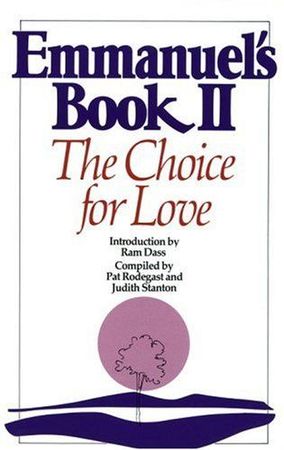
Emmanuel (Spirit)
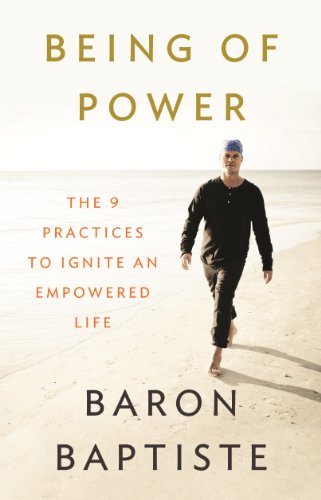
Baron Baptiste
Max Velthuijs
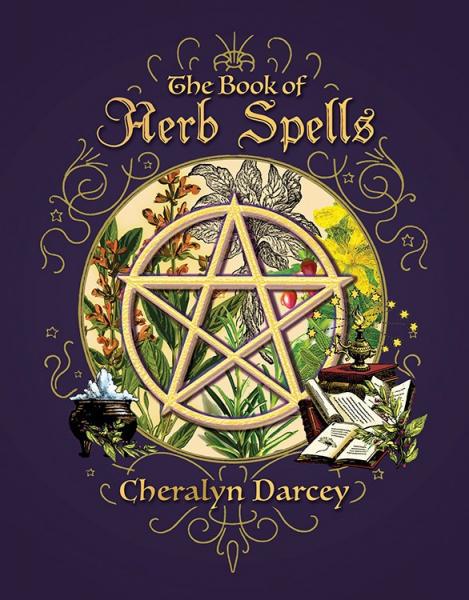
Cheralyn Darcey
When love begins to unravel, do you walk away or pick up the thread? “Thread By...

What if winning didn’t require someone else to lose? “Winners Together” imagines a world...
Every morning is another chance to choose what stays with us and what we finally leave...

How much of yesterday are you still carrying today?
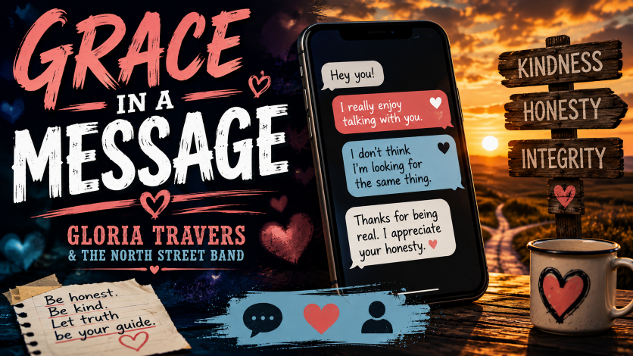
In a world of swipes, matches, texts and disappearing conversations, sometimes the most...

When the world’s problems become overwhelming, shutting down can seem easier than...
From September 9 to October 24, 2026, Venus moves out of the harmonious, peace-seeking...

A chatbot told someone it loved them, and that person felt genuinely comforted. That...

Accepting oneself is crucial for navigating change without fear. This article explores...

Despite advancements in technology and education leading to higher IQ scores in...