Life Changes
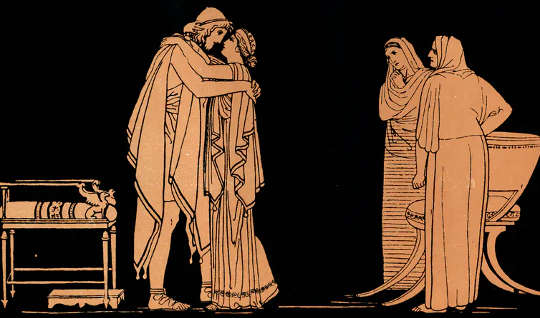
Healing Through Storytelling: Lessons from The Odyssey
The journey of Odysseus in Homer's 'The Odyssey' offers profound insights into healing...








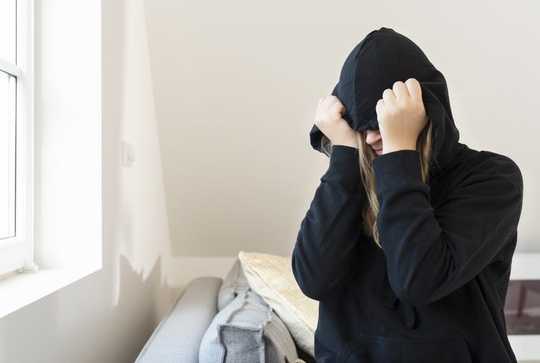
Social distancing is both necessary and hard. If my Facebook news feed and anecdotal experience in my own family are at all representative of larger trends, adolescents are especially feeling the pain.
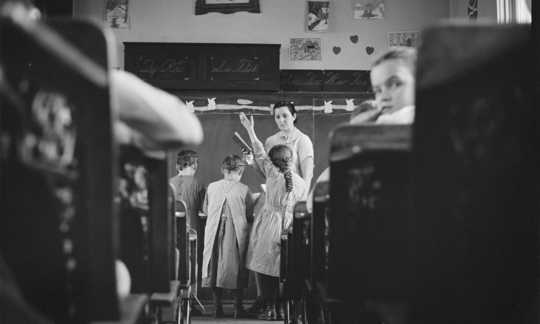
Many of the beliefs that play a fundamental role in our worldview are largely the result of the communities in which we’ve been immersed.
The Dalai Lama caused quite a stir at the 2009 Peace Summit in Vancouver. He said that “the world would be saved by Western women.” His statement received a range of responses, but many women found it empowering, and it catalyzed women-focused initiatives.
Only when one is capable of viewing the despicable characteristics of an offender then asking oneself "Where do similar qualities reside in me?" that one is can make significant strides in the journey of forgiveness.
What does it mean to be a banker, lawyer, doctor, educator, not-for-profit leader, or any other professional? For many people, it is a debilitating experience of separating our genuinely loving, warm, compassionate selves from the hard, ruthless, determined-to-win persona that is demanded in our workplace.
During one of my daily walks with my toddler, when we passed his favorite playground, I noticed a new sign warning that the coronavirus survives on all kinds of surfaces and that we should no longer use the playground.
Certain traits of little kids’ play could signal future aggressive and antisocial behavior, researchers report.
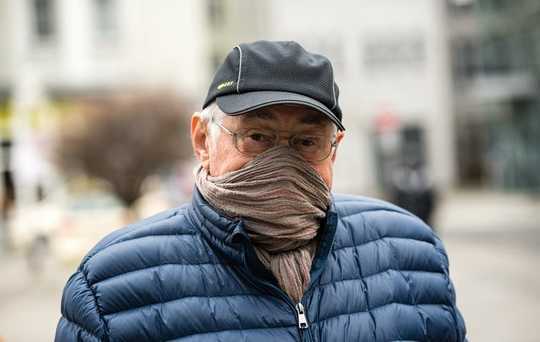
With the coronavirus pandemic quickly spreading, U.S. health officials have changed their advice on face masks and now recommend people wear cloth masks in public areas where social distancing can be difficult, such as grocery stores.

The wisdom of non-attachment is most applicable when dealing with life’s problems: whether small irritants or major life losses. The secret is to befriend our problems and create new relationships with them.
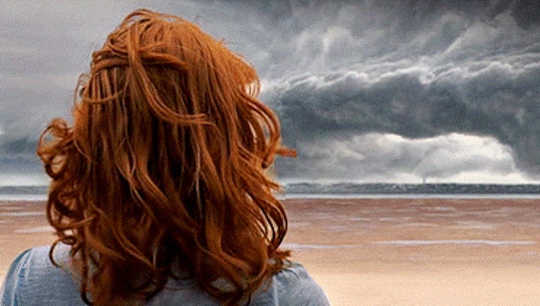
Whenever Martha had to deal with someone who was getting on her nerves or was seriously upsetting her, she was supposed to think, 'Peace be with you!'
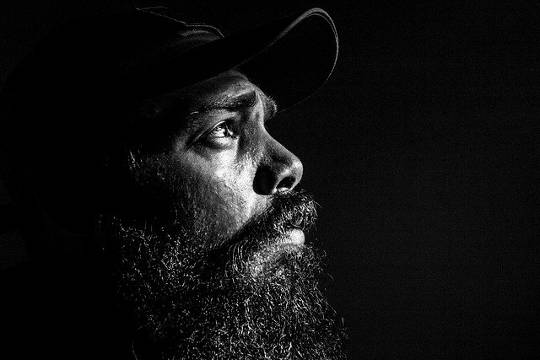
There is nothing lucky about a pandemic. All of us living through the present one can agree it’s frightening, upsetting, and increasingly surreal. Life as we know it has been severely disrupted and promises to remain so for a while.
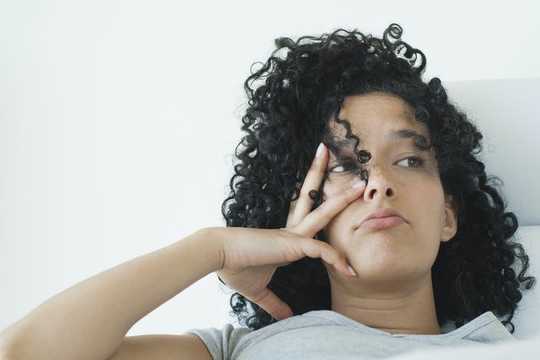
Even in normal circumstances, it can be hard to get motivated to do your schoolwork. But these are not normal circumstances.
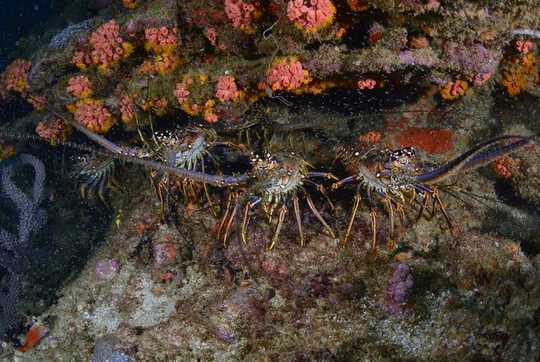
Social distancing to combat COVID-19 is profoundly impacting society, leaving many people wondering whether it will actually work. As disease ecologists, we know that nature has an answer.
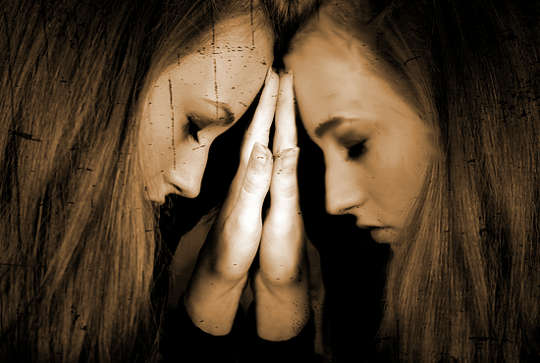
And in this period of sheltering at home, 33 years ago, this is the most important lesson I learned. The practice of gratitude is powerful and can bring us through even the hardest times.
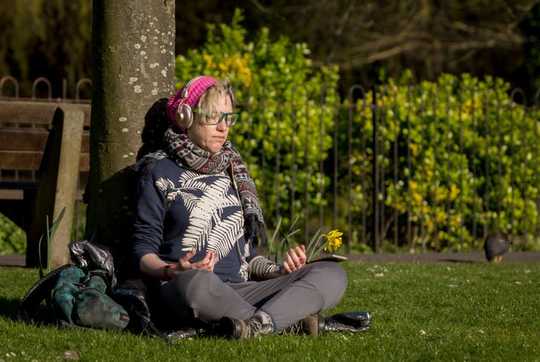
Buddhist meditation centers and temples in coronavirus-hit countries around the world have been closed to the public in order to comply with social distancing measures.
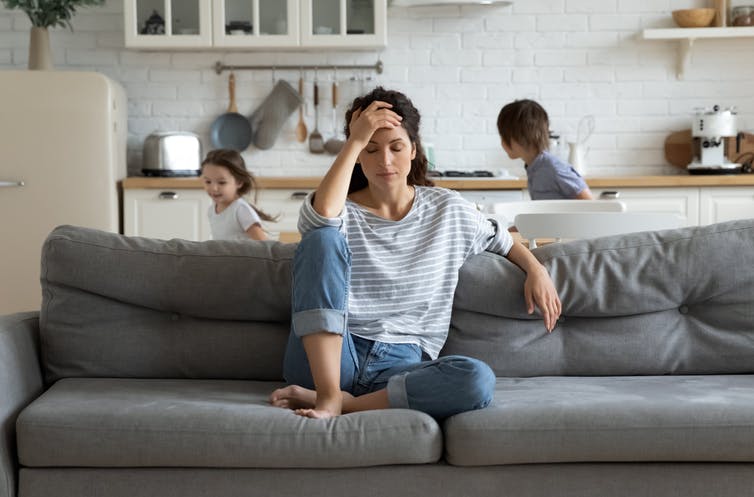
Medicare-subsidised psychology and psychiatry sessions, as well as GP visits, can now take place via phone and video calls – if clinicians agree not to charge patients out-of-pocket costs for the consult.

You have a choice to make when it comes to the coronavirus pandemic. Do you treat this time as an insurmountable threat that pits you against everyone else?
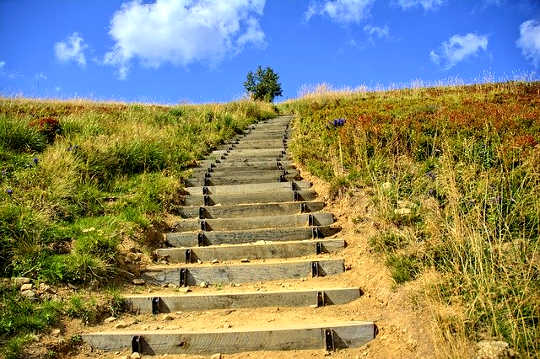
There are so many ways that we can apply courage in our lives. Courage to speak one's opinion, to stand up for what is right, to face tough issues head on, to pick oneself up after an injustice, and to not necessarily do as everyone else does. Courage to be true to oneself.
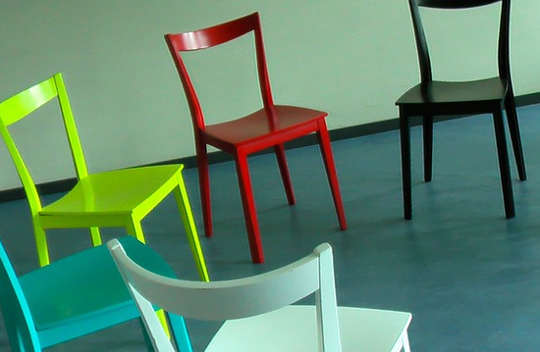
Over my lifetime I’ve seen society place more and more emphasis on safety, security, and risk reduction. It has especially impacted childhood: as a young boy it was normal for us to roam a mile from home unsupervised – behavior that would earn parents a visit from Child Protective Services today.
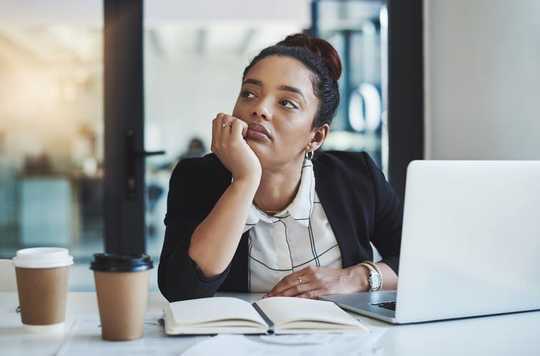
More and more of us are staying home in an attempt to slow down the spreading coronavirus. But being stuck at home can lead to boredom.

The COVID-19 pandemic is different from many crises in that it has affected all of us regardless of politics, economics, religion, age or nationality.
The journey of Odysseus in Homer's 'The Odyssey' offers profound insights into healing...
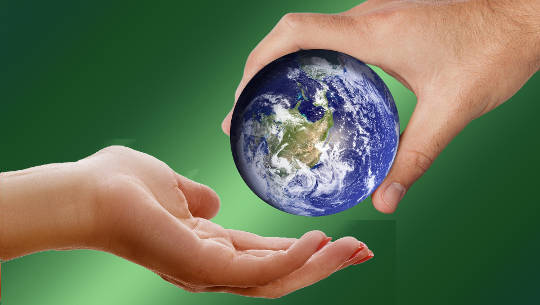
Fostering a legacy of joy empowers individuals to inspire authentic self-expression in...
Junk emotions like anxiety, anger, and jealousy can hinder personal well-being and...
Awareness meditation shifts focus from traditional breath techniques to observing...
The exploration of precognitive dreaming reveals a profound interconnectedness within...
Negative moods can linger and affect overall well-being, but identifying their triggers...

A rare celestial formation is quietly reshaping the foundations of everything we know —...
You don't need a week in silence at a mountain retreat to feel spiritually alive again....