
Reforms
Exploring Iceland's Unique Open Prisons
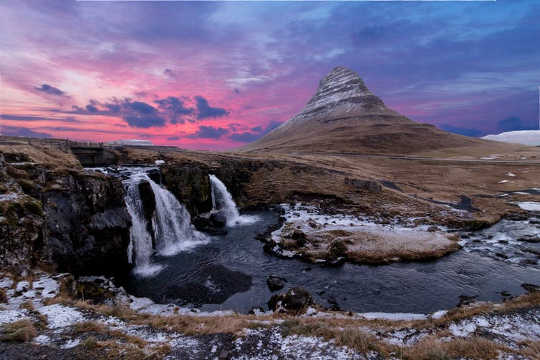
Iceland's open prisons, Kvíabryggja and another, offer a unique perspective on rehabilitation. With minimal security and a focus on communal living, these facilities prioritize...











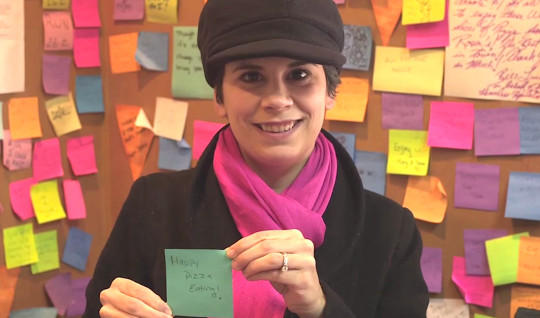 After working a computer job on Wall Street for three years, Mason Wartman wanted to try something new. He opened Rosa’s Fresh Pizza in Philadelphia, Pennsylvania. Little did he know that his pizza shop would soon help feed local homeless people and receive global attention.
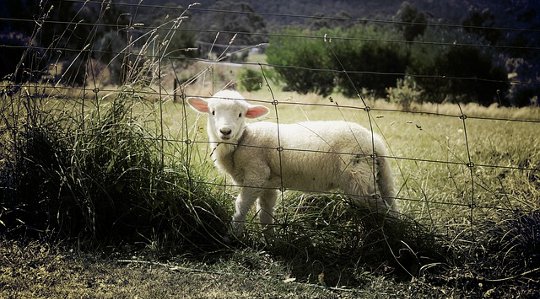 California’s byzantine water system and crushing drought are leading farmers to extraordinary measures as they try to keep themselves from running dry. On a warm March afternoon, farmer Cannon Michael walks alongside wheat fields adjacent to his house in Los Banos, in California’s Central Valley. Most of these fields won’t be watered again this year.
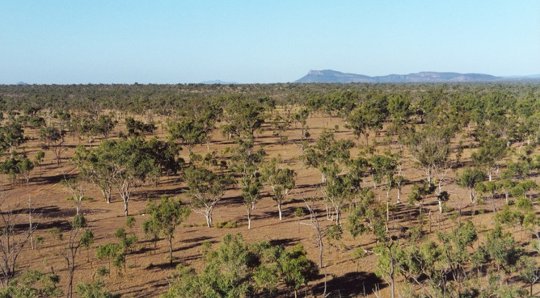 While the news coming out of forests is often dominated by deforestation and habitat loss, research published today in Nature Climate Change shows that the world has actually got greener over the past decade.
 More schooling and harder problems may be the best explanation for the dramatic rise in IQ scores—often referred to as the Flynn Effect—during the past century, a new study reports.
 The urge to solve humankind’s energy-generating problems is felt by innovators around the planet. Before the Internet and its open sourcing of knowledge, lone inventors tried to single-handedly save us from our dependence on dirty fuels. And long before hippies saw the dawning of an Age of Aquarius, a few individuals discovered that water is a key to independence.
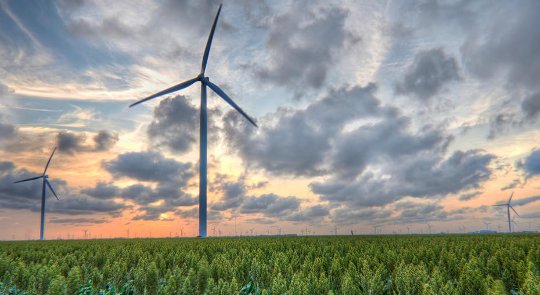 Texas is known for cheap and plentiful energy resources, but they’re usually of the dirty, fossil fuel–based variety. That reputation is changing. Texans can now buy renewable energy packages that are as cheap as or cheaper than the coal- or natural gas–based alternatives.
 If you’re an entrepreneurial spirit, you might have already noticed a need that could be met by sharing in your community. If you live in a place where collaborative consumption is just catching on (or maybe unheard of), it might be better to try an established online community that can help you learn the ropes.
 After years of bitter disappointment, things look different now. Sure, U.S. state houses and Congress are a denier-dominated mess, the big Paris conference is already being written off, and the on-the-ground evidence is looking bleak. But after years of cynicism, I see elements of a sea change in urgency and attitude on climate.
 At a time when mounting student debt is dominating news, students across America are leaving nearly $3 billion in federal financial aid on the table each year. That this happens is often simply because a potential student doesn’t fill out the FAFSA, (free application for federal student aid) form, that funds aren’t dispensed.
 Why do people cooperate? This isn’t a question anyone seriously asks. The answer is obvious: we cooperate because doing so is usually synergistic. It creates more benefit for less cost and makes our lives easier and better.
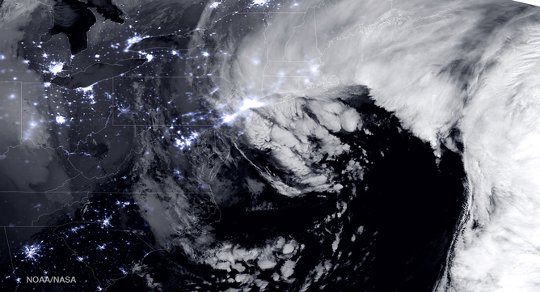 At first glance, asking whether global warming results in more snow may seem like a silly question because obviously, if it gets warm enough, there is no snow. Consequently, deniers of climate change have used recent snow dumps to cast doubt on a warming climate from human influences. Yet they could not be more wrong.
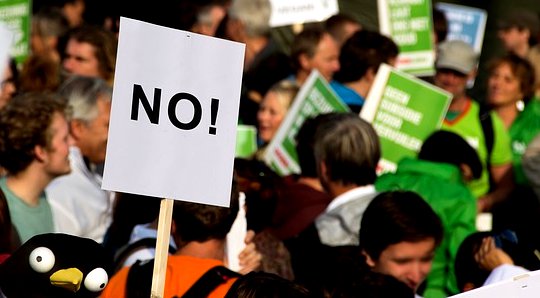 The ol’ good cop/bad cop shtick: One of the oldest techniques in the book and a cinematic trope that’s been used for decades. It has stuck around because it’s melodramatic and it kind of works. The more surprising arena in which this dynamic is taking place is in environmental activism.
  Last July 4, my family and I went to Long Island to celebrate the holiday with a friend and her family. After eating some barbecue, a group of us decided to take a walk along the ocean. The mood on the beach that day was festive. Giggling children chased each other along the boardwalk...
 The new thinking we need will not emerge all at once, in one fell swoop. It will come about—and is already coming about—as contemporary thinking is increasingly questioned. There is a step before we can embrace new ideas: it is to put the old ideas on trial.
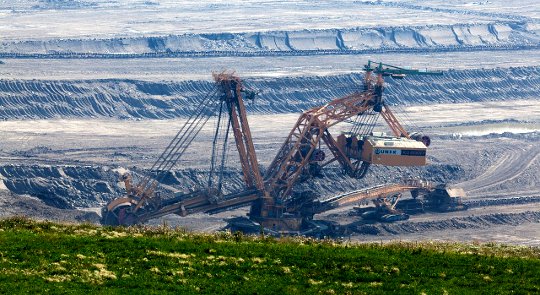 Our production and use of energy-intensive materials must change. The economic impacts on developing countries of high import costs of oil, liquefied natural gas, coal and resources have grown. These costs are increasing debt and undermining future development: they are economically unsustainable, and must change.
 So many older women are inheriting farms that some experts believe training them in land conservation may be society's best bet in protecting the food supply. In Iowa alone, women own about 14 million acres of farmland, which is significant because the health of the nation’s soil is crucial to the productivity of its farms and in feeding a growing population.
 We need to define terrorism independently of who is employing it. Terrorism is violence against some innocent people aiming at intimidation and coercion of some other people. This definition says nothing about the identity of terrorists. They can be insurgents or criminals. But they can also be members of the military or of some state security agency.
 If we want to see well-being and health improve, policies that promote a greener economy should be pursued. Redefining what we think of as prosperity, encouraging the consumption of green goods and services – and moving away from an emphasis on material consumption – could save governments money, as well as lead to better lives for its citizens.
 Often seen in art and business, hybrid solutions are gaining increased attention in education. In the classroom, the blend of traditional and new teaching methods, and the mix of online and face-to-face learning – known as the “hybrid classroom” – is posing profound questions about the lessons of the future.