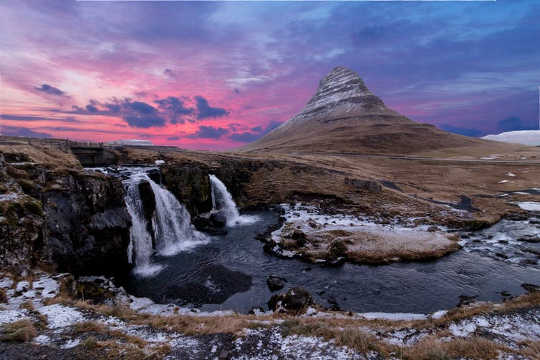
Exploring Iceland's Unique Open Prisons
Iceland's open prisons, Kvíabryggja and another, offer a unique perspective on rehabilitation. With minimal security and a focus on communal living, these facilities prioritize...


There are many complex reasons why people decide not to accept the science of climate change. Climate scientists, myself included, have strived to understand this reluctance. We wonder why so many people are unable to accept a seemingly straight-forward pollution problem. And we struggle to see why climate change debates have inspired such vitriol.

A few years ago, the Mexican government pinpointed a promising method for reducing carbon dioxide emissions: Encourage Mexicans to trade in their old refrigerators, air conditioners, light bulbs and the like for more up-to-date models. But how to pay for the program, while making it affordable for poor households?

“Every person ought to have the awareness that ‘purchasing is always a moral – and not simply an economic – act’.” Francis wants us to buy as if someone else’s life depended on it. And he wants us to act not only as individuals but collectively.

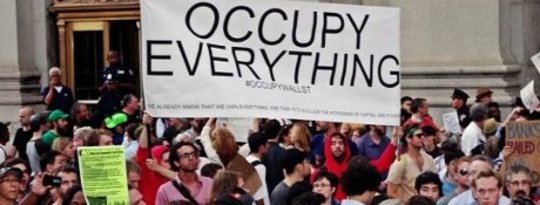
Why are some protests ignored and forgotten while others explode, dominating the news cycle for weeks and becoming touchstones in political life?

Climate change is going to affect every city on the planet in some way—but not necessarily in the same way. For those cities already adapting to it, strong, decisive action may spell the difference between surviving global warming and succumbing to it. Five cities that are steeling themselves…and five that are fooling themselves.

In tropical developing countries, effective coastal management must acknowledge the widespread dependence of poor and politically weak communities on the use of fish for food. Acknowledging this dependence on artisanal fisheries is pivotal to reconciling the largely separate agendas for food security and biodiversity conservation.

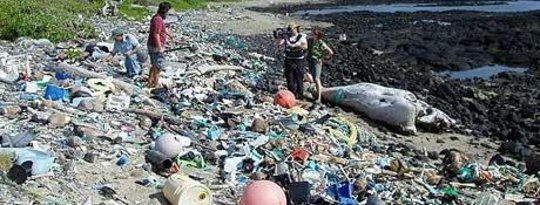
In Hawaii’s outer islands the Laysan albatross feeds material skimmed from the sea surface to its chicks. Although adults can regurgitate ingested plastic, their chicks cannot. Young albatrosses are often found dead with stomachs full of bottle tops, lighters and other plastic debris, having starved to death. But these big, visible impacts may just be the tip of the iceberg.

The climate science might be gloomy but at least governments seem to be doing something about it. But this is only half the story. Side by side with policy initiatives designed to cut greenhouse gas emissions have come new policies that have the opposite effect: increased emissions.

The urbanization of our population has major implications for climate change. The sheer volume of all this growth in highly concentrated areas, combined with the corresponding growth in carbon emissions, requires that our cities be able to adapt and evolve more quickly than ever before.The good news is: they can.

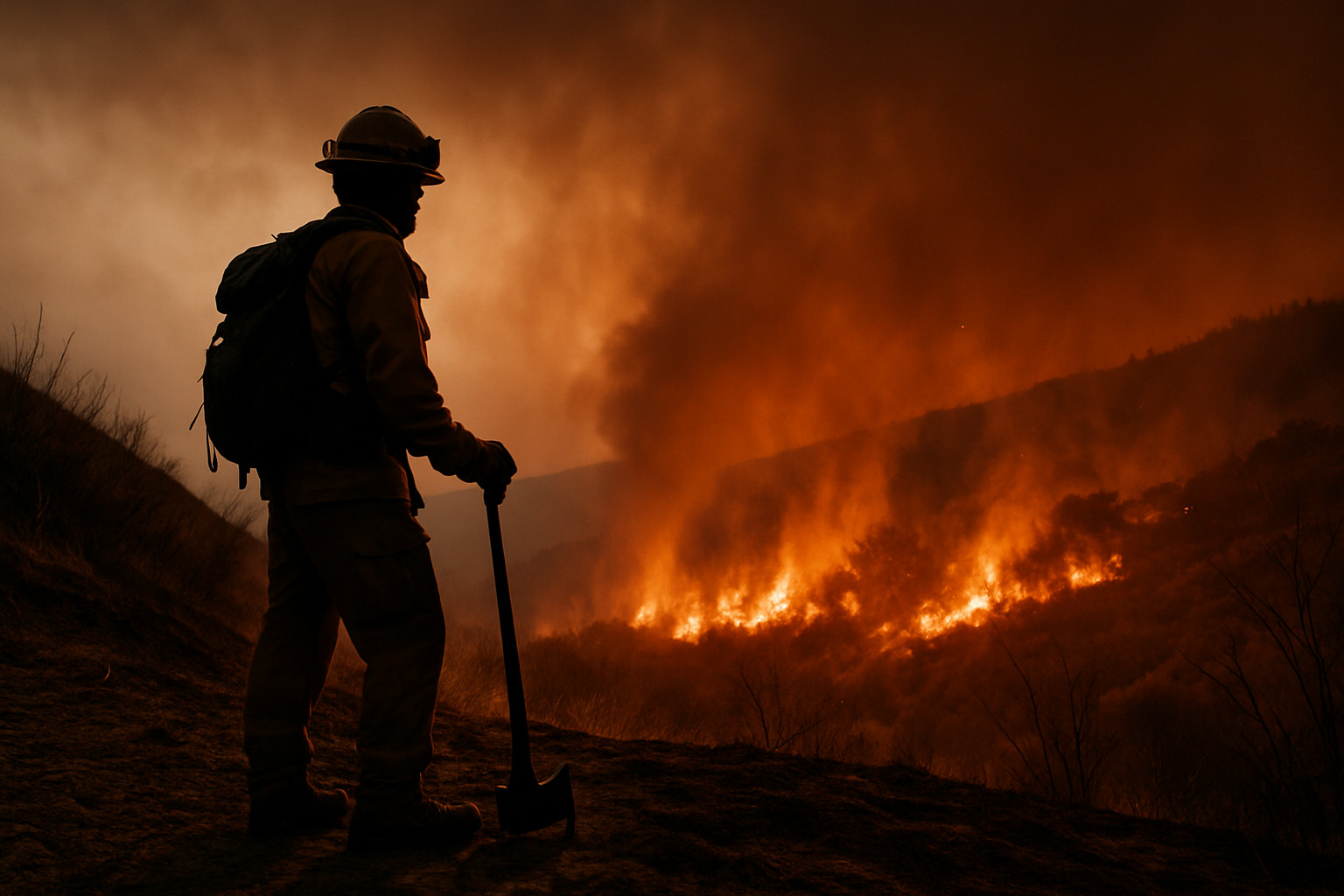
At the top of the world, it’s time to get ready for a new future. In the winter of 2013–14, hundreds of milk-white birds with luminous yellow eyes and wingspans of up to 5 feet descended on beaches, farmers’ fields, city parks and airport runways throughout southern Canada and the United States.

What the left needs is an account of how the suffering we experience in our personal lives stems from capitalist values, and to replace this system with one built on values of love and caring.

On the weekend of November 16th, the G20 leaders whisked into Brisbane, posed for their photo ops, approved some proposals, made a show of roundly disapproving of Russian President Vladimir Putin, and whisked out again. It was all so fast, they may not have known what they were endorsing when they rubber-stamped the Financial Stability Board’s “Adequacy of Loss-Absorbing Capacity of Global Systemically Important Banks in Resolution,” which completely changes the rules of banking.

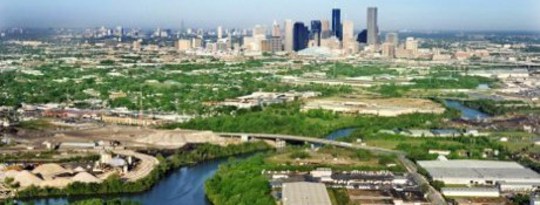
The U.S. capital of the oil industry could teach other cities a thing or two about fighting climate change—in a politically inhospitable climate.

In the wake of a Missouri grand jury’s decision not to indict Darren Wilson, the police officer who shot and killed Michael Brown, it can be difficult to imagine a place where law enforcement and a racially diverse population work together productively in the United States.

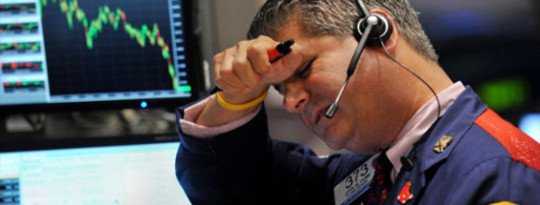
The subprime crisis and the subsequent failure of Lehman Brothers came as such a shock – and the repercussions were so severe that when the time came to mount a response, policy makers were as surprised as the rest of us and woefully unprepared.

It’s no secret that the global population is ageing. We’re living longer than ever and are healthier until much later in life. But we’re still struggling to adapt to this changing demographic – and some are struggling more than most.

In a post-Snowden world, anonymity is what people want online. Smartphone apps offering anonymous messaging are popping up everywhere – Secret, Whisper, and now Yik Yak. The latest additions to privacy-protecting technology, they claim to provide anonymous, location-based confession, expression, and discussion platforms.

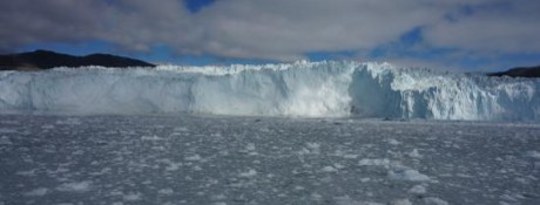
For several years now climatologists have puzzled over an apparent conundrum: why is Antarctic sea ice continuing to expand, albeit at the relatively slow rate of about one to two percent per decade, while Arctic sea ice has been declining rapidly?

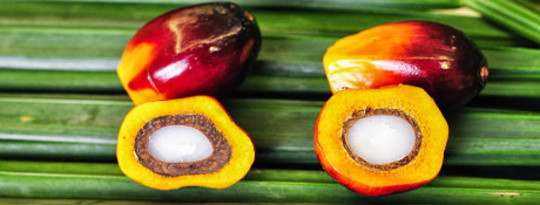
The oil palm, one of around 2,600 species of palm, must be one of the most hated plants on Earth. Ask any self-respecting environmentalist, and his or her face is likely to turn red with anger at the mere mention of its reviled name: Oil Palm.

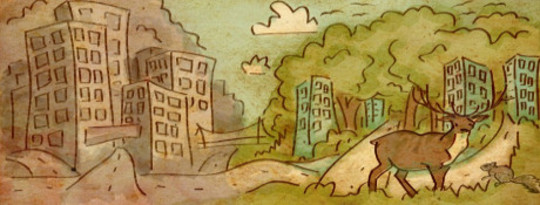
When we design cities like ecosystems, they have the potential to address many of our most pressing issues. Of all the things people build, cities are the most important.

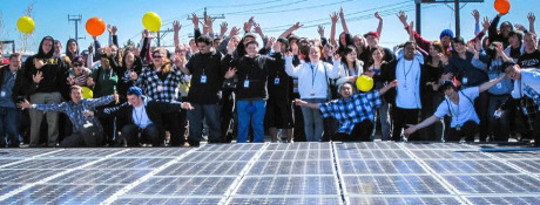
There is no shortage of shouting and dire warnings about the state of the climate and our need to phase out fossil fuels. But there is a more silent revolution happening too — in micropower.